
Product knowledge
LS0283: Screening a 60-Minute Listing for a 90-Minute Brief
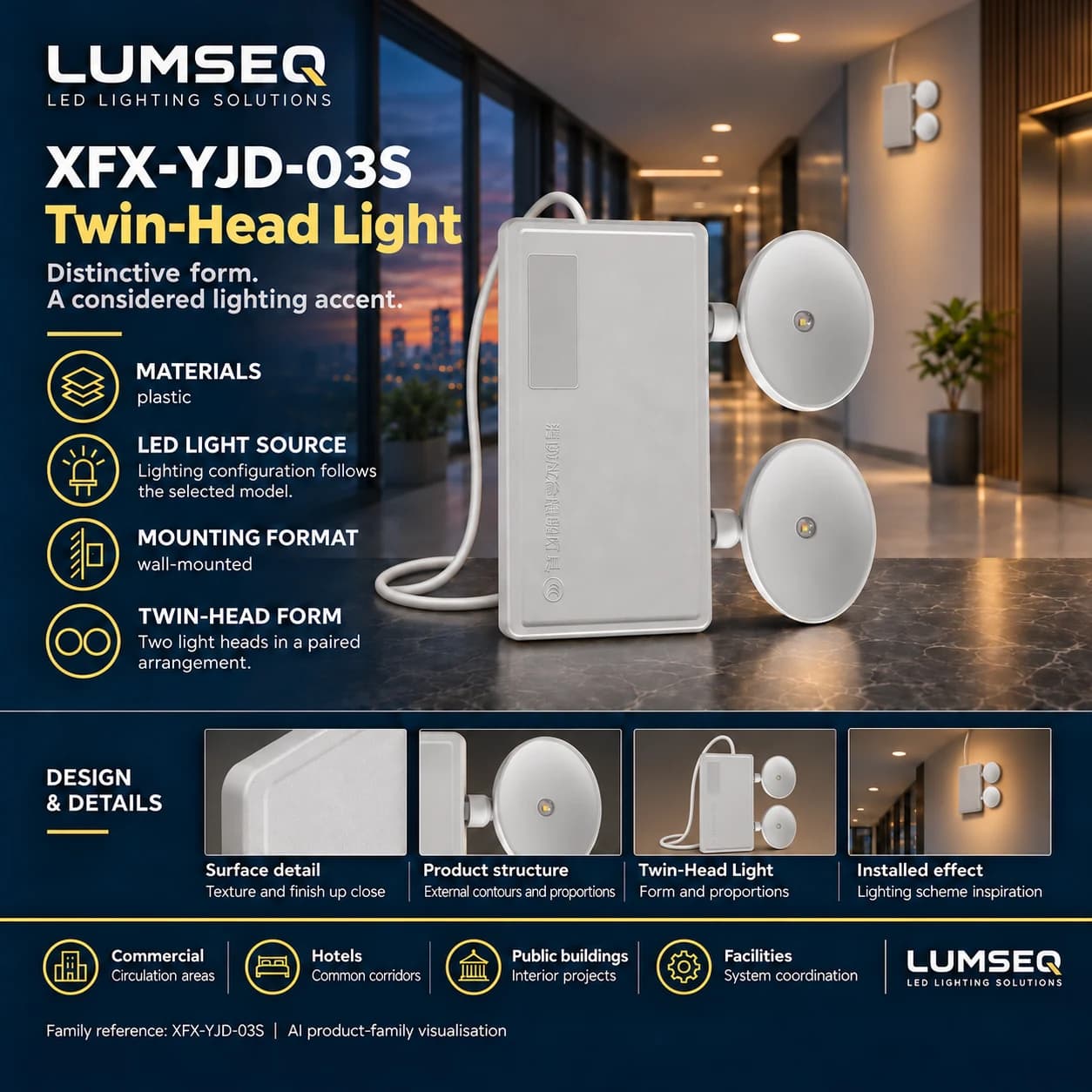
LS0283 lists a minimum initial emergency duration of 60 minutes. For a 90-minute project brief, keep duration unconfirmed until evidence matches the offered model.
Lumseq knowledge and insights
Practical lighting knowledge for distributors, contractors and global sourcing teams.
Latest article · Product knowledge
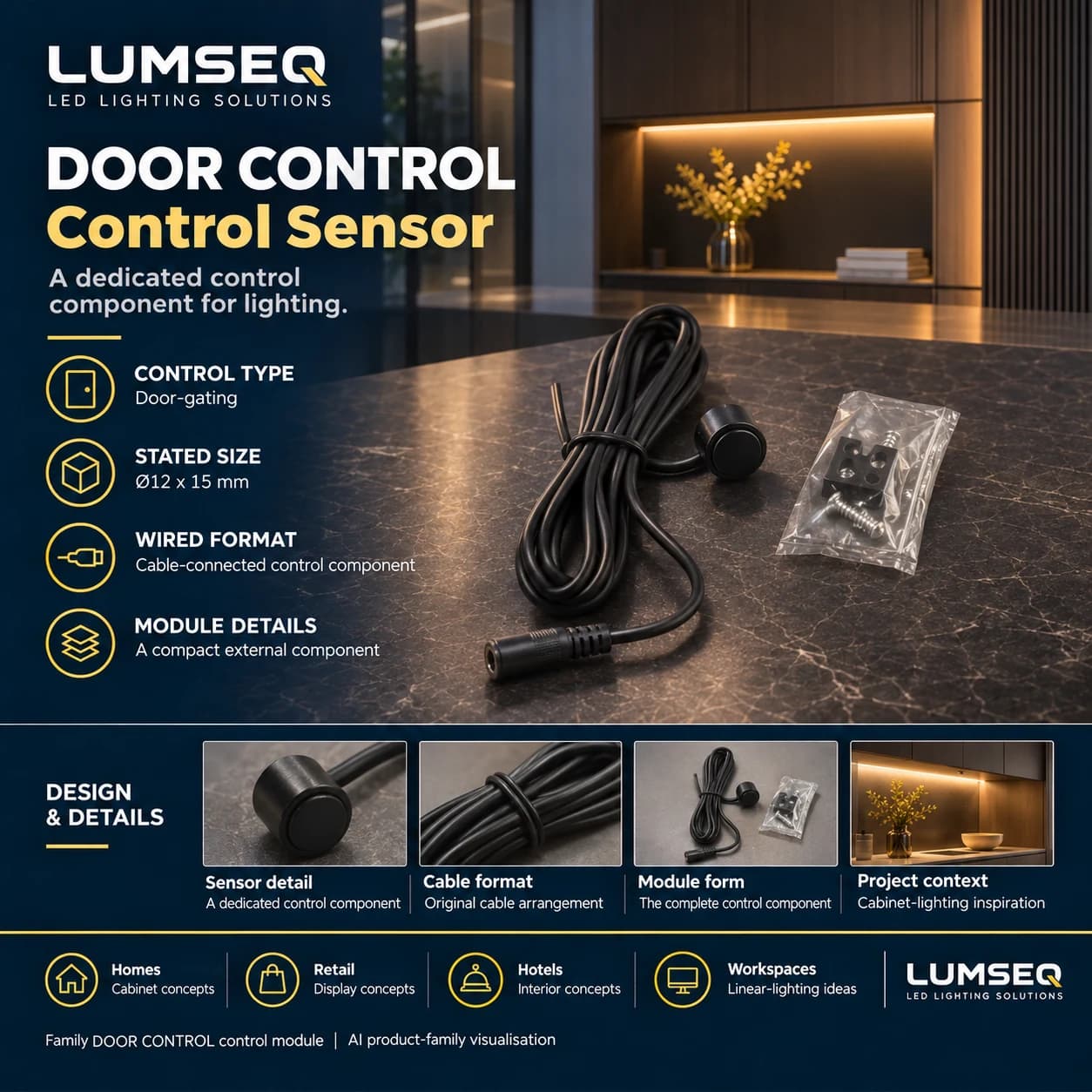
Choose a cabinet LED control by the action that should turn the light on. Compare four listed sensor types and use a four-state test for a two-door cabinet.
Read articleLatest publishing
Clear comparisons, purchasing checks and product guidance built around the questions importers ask before sampling and ordering.
Product knowledge
LS0283 lists a minimum initial emergency duration of 60 minutes. For a 90-minute project brief, keep duration unconfirmed until evidence matches the offered model.
Product knowledge
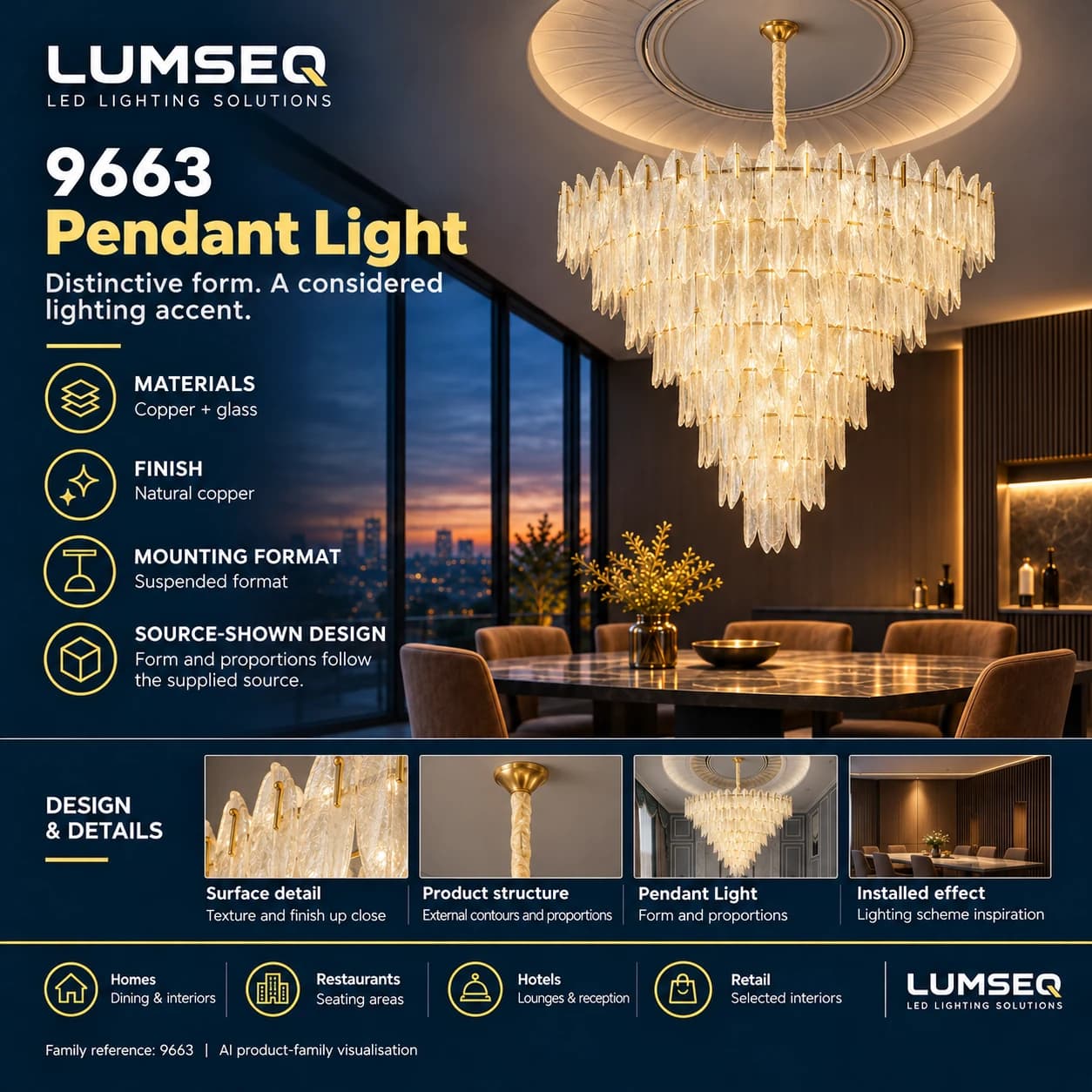
9663 chandeliers list E14 lamps as not included. Convert the selected 32-, 24- and 18-lamp configurations into a separate lamp order before comparing quotations.
Product knowledge
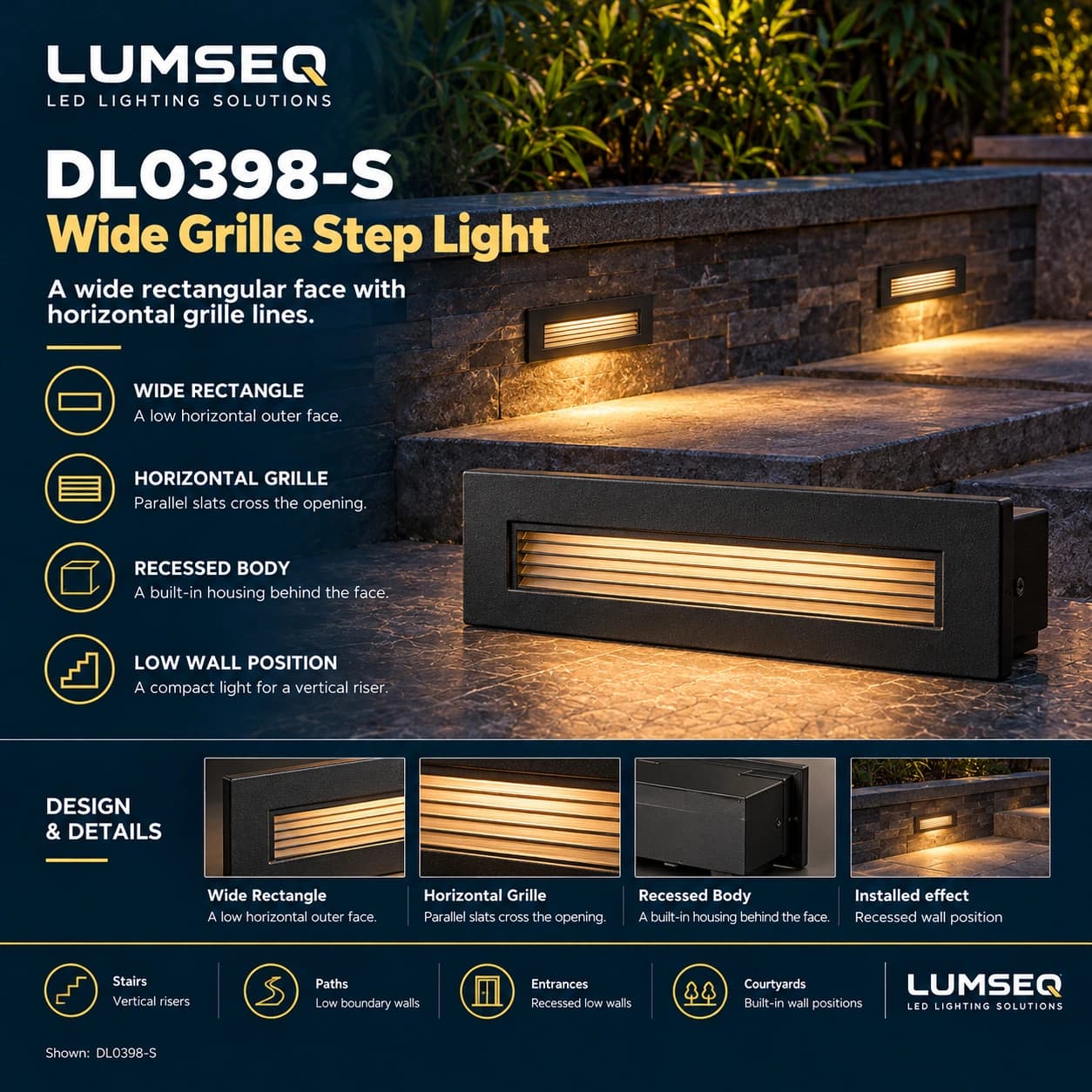
Compare DL0398 S, M and L cut-outs before replacing a recessed step light. A larger face and the same 5 W rating do not establish a fit in an existing opening.
Product knowledge
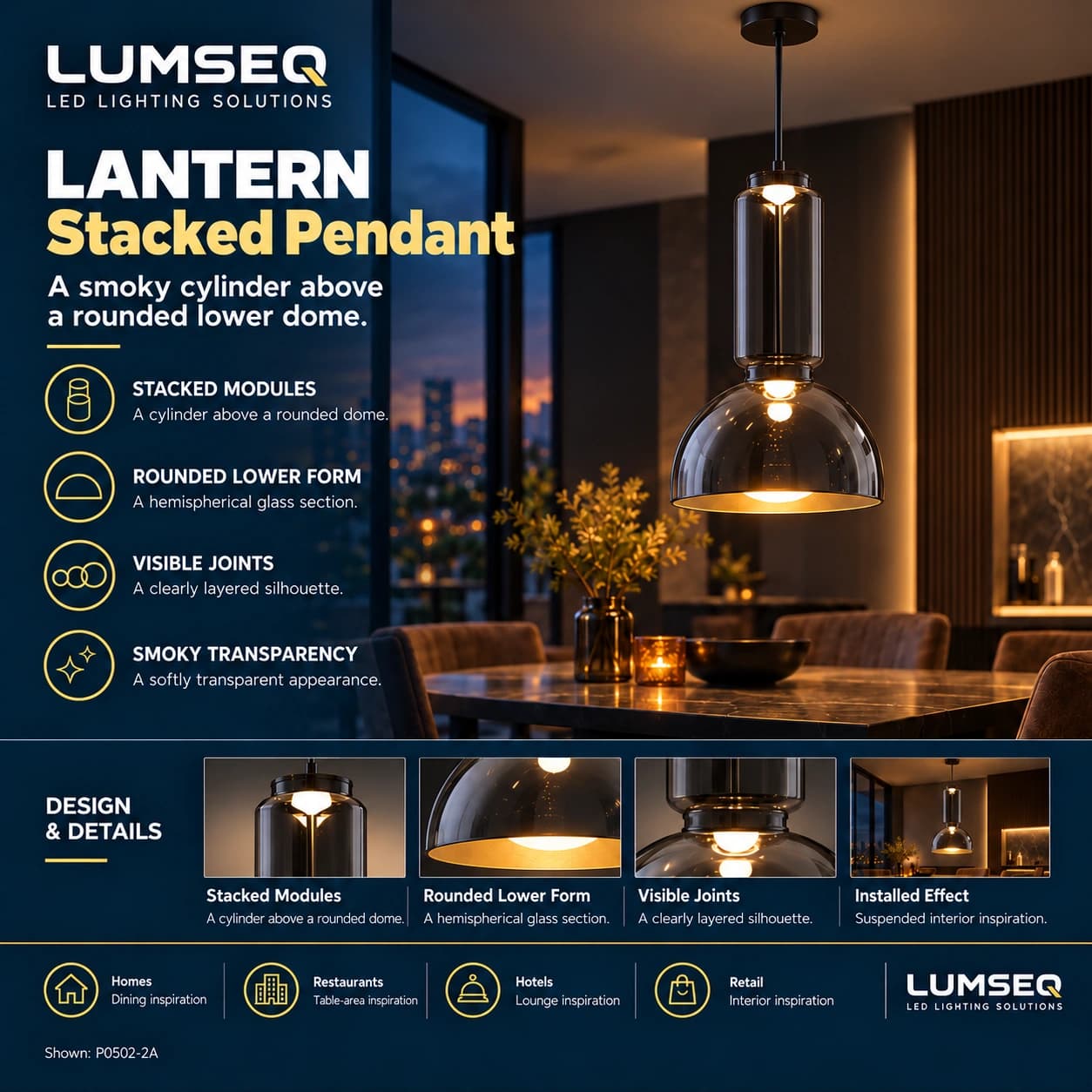
Use the four P0502 body heights to screen an available pendant drop, then verify the complete assembly instead of assuming the suspension can be shortened.
Product knowledge
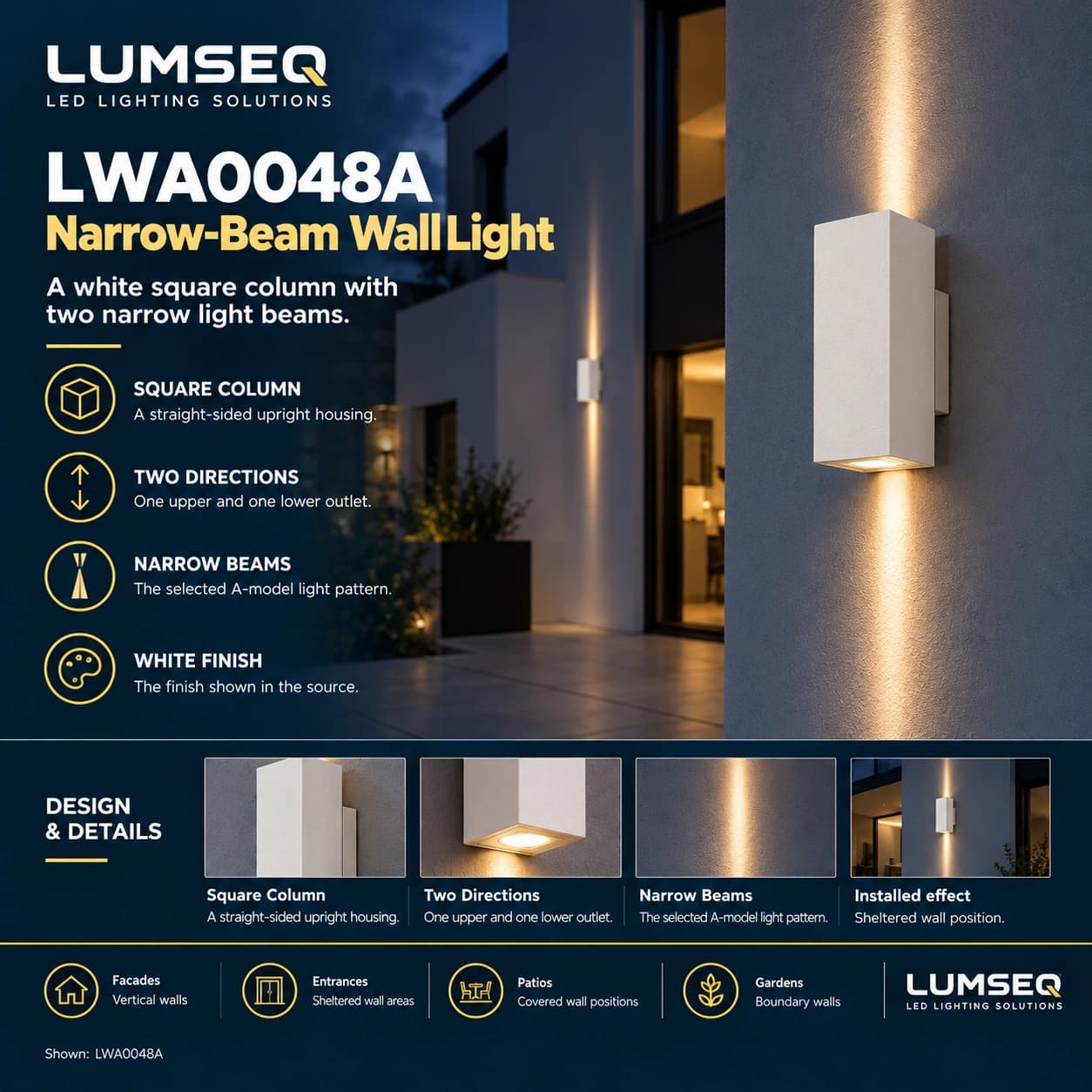
Decide what an entrance wall light must do, then separate the decorative wall sample from the evidence needed for walkway coverage.
Product knowledge
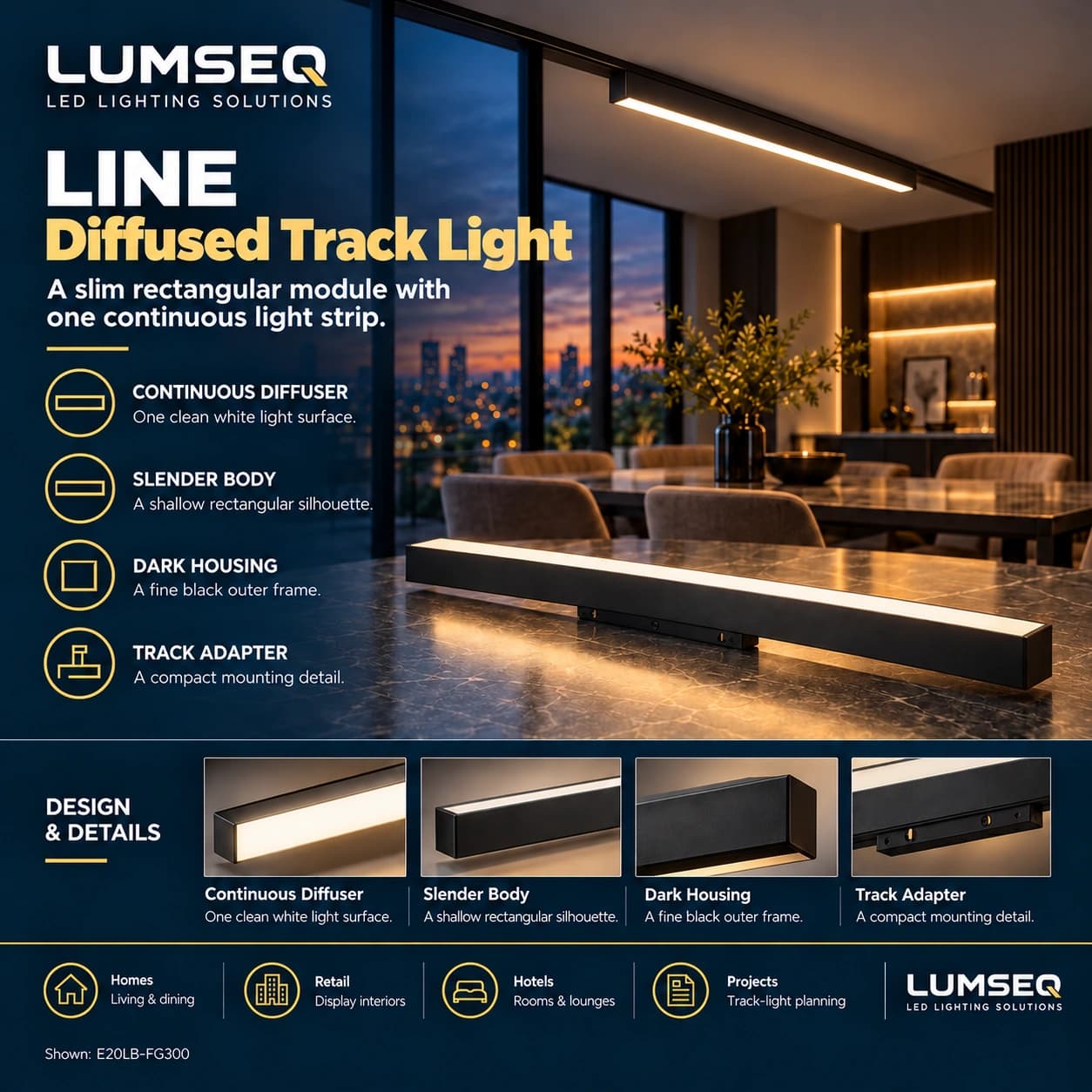
Compare eight listed E20 FG configurations by length, LED brand, finish and colour temperature, then keep the exact selection on enquiries and substitutions.
Product knowledge
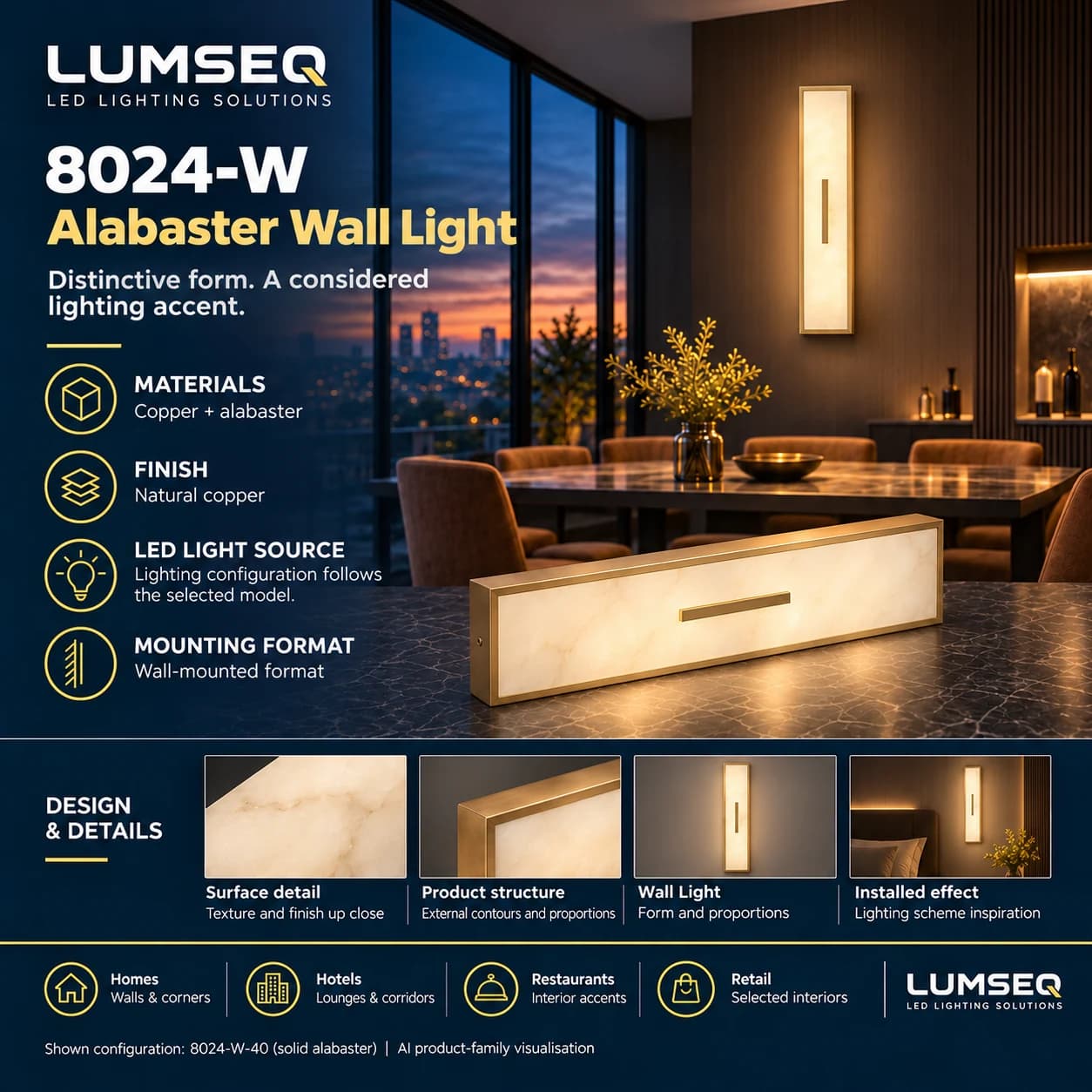
Use the five listed 8024-W body sizes to screen a measured wall space, distinguish a dimensional shortlist from installation approval, and specify the exact option for quotation.
Product knowledge
Match IES/LDT files to the exact LED luminaire, optical assembly and output setting, then keep the test evidence and project calculation linked to that configuration.
Product knowledge
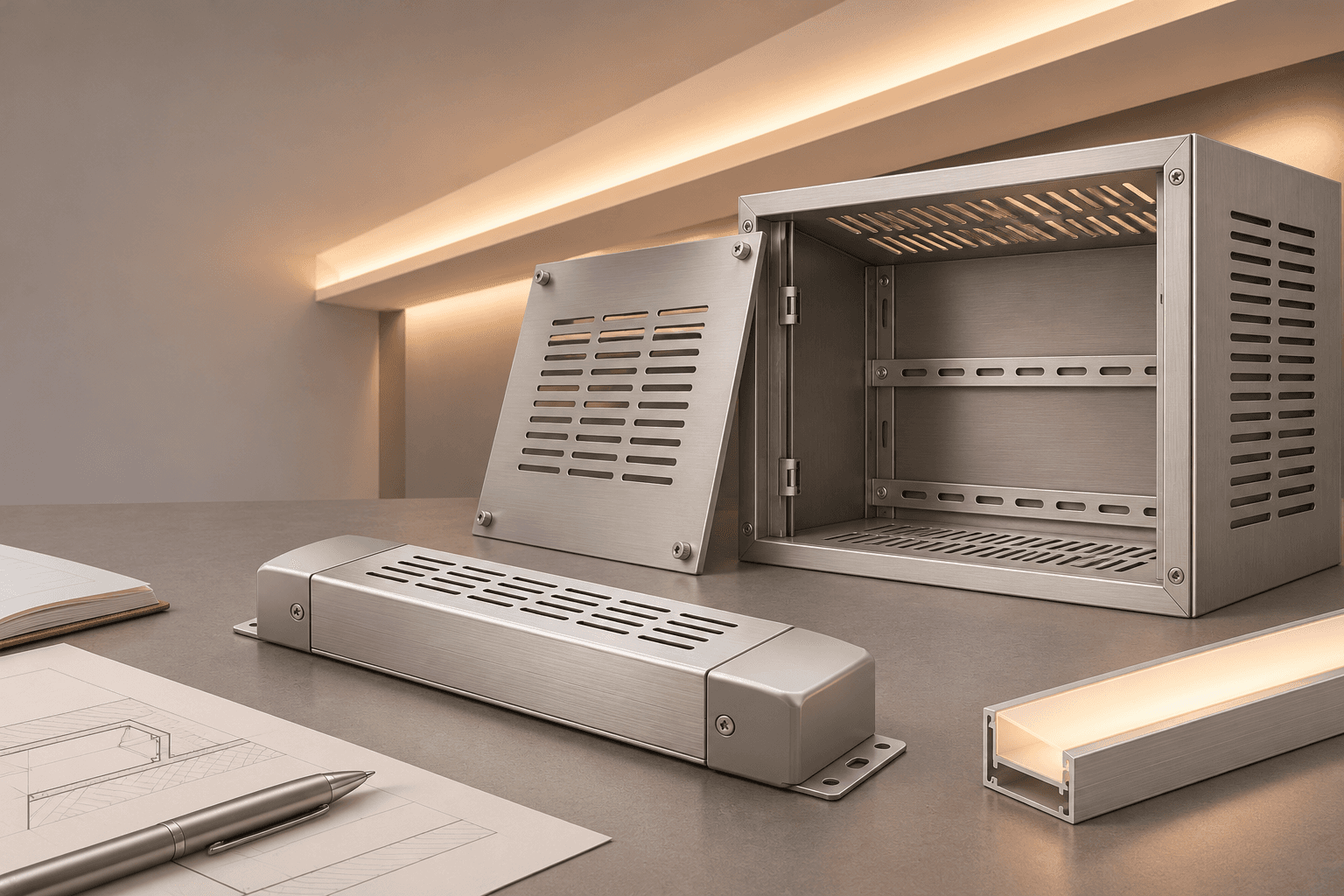
Separate Class 2 output limits, Class II insulation and SELV system requirements before approving an LED driver for a defined model, market and installation.
Product knowledge
Read Ta, Tc and model-specific derating curves together before selecting an LED driver for a cabinet, ceiling void or other enclosed installation.
Product knowledge
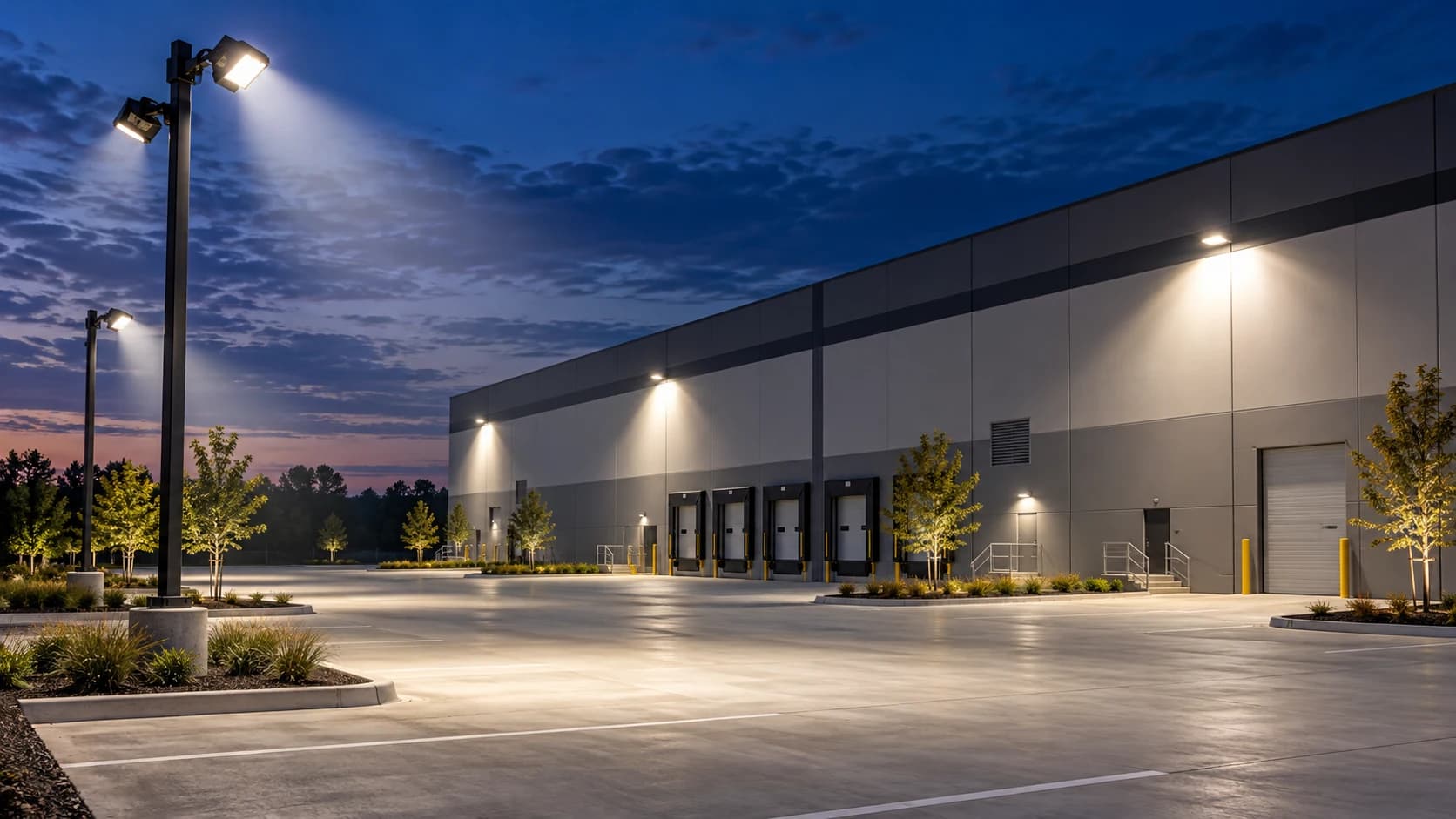
Flood lights are the re-aimable workhorses of outdoor lighting, bolted to poles, walls, eaves and ground stakes to wash a wide area with even light. They cover building facades and perimeters, parking and storage yards, sports courts, signs, flags and landscape features, and buyers keep running into the same two problems: they shop by the wattage printed on the old metal-halide box, and they treat the beam angle as a single number when it is actually two. This guide starts with the optics. It explains the difference between the beam angle at 50 percent of peak intensity and the field angle at 10 percent, how the NEMA 1 to 7 beam-spread classes work, and how to read an H x V designation such as 5x3. It then matches the spread to the setback and the job, sizes lumens and efficacy rather than watts, and gives the HID-to-LED retrofit numbers. It covers the knuckle, slipfitter and trunnion mounts and the standard 2-3/8 inch pole tenon, the IP and IK ratings and thermal design that keep a fixture alive outdoors, dark-sky CCT and BUG rules, photocell and motion controls for security, and finally where a solar flood light makes sense and where it lets a project down.
Product knowledge
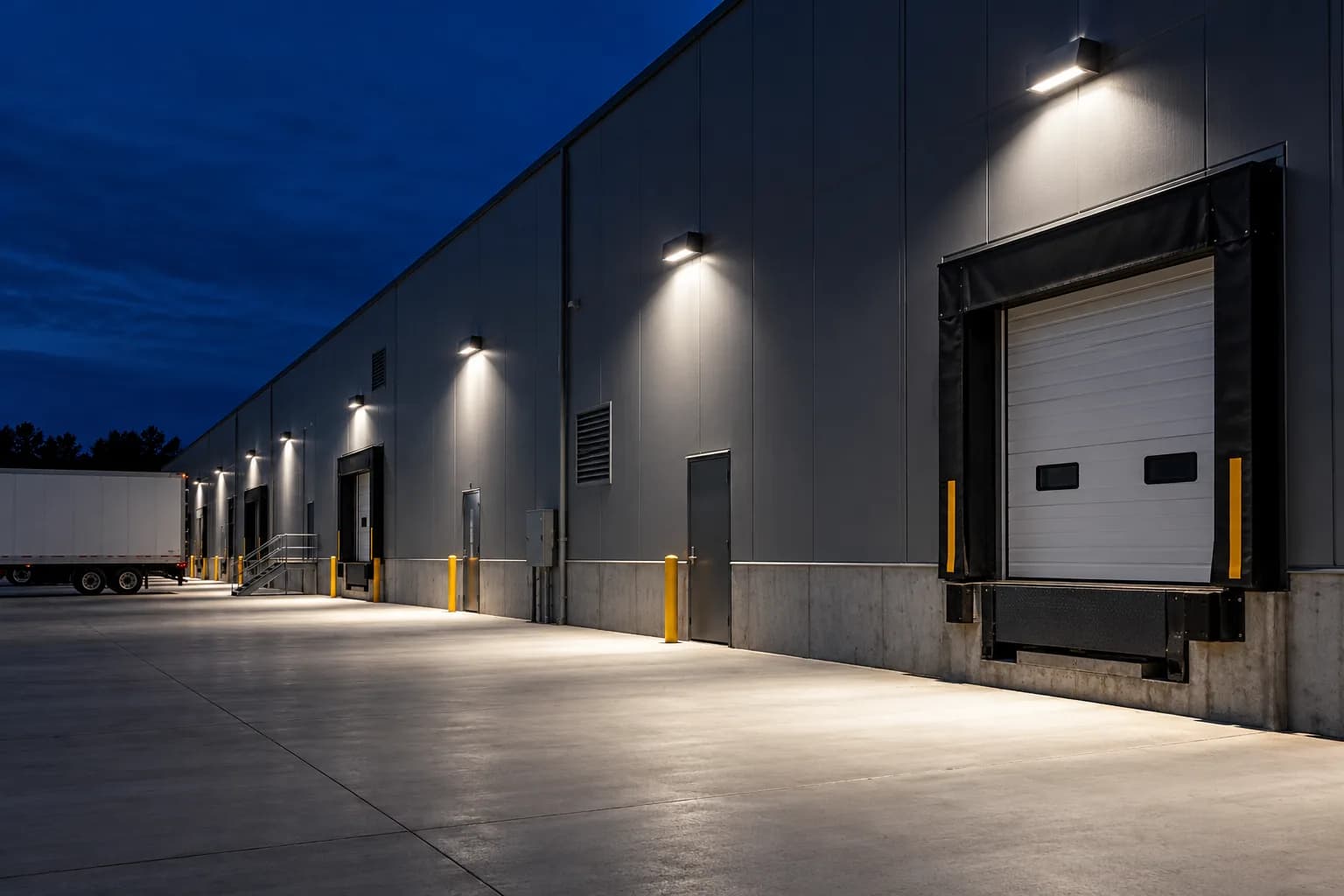
Wall packs are the small, boxy fixtures bolted to the outside walls of warehouses, factories, hotels and retail buildings, and they do more work than their size suggests. They light the doorways people walk through, the loading docks where trucks reverse at night, and the perimeter that decides whether a building feels safe or like a place to hide. Buyers still tend to treat them like the old metal-halide boxes and replace them watt-for-watt, which is how they end up with glare on a low wall, a fixture that floods a neighbour's window, or a model that misses the rebate because it is listed under an outdated standard. This guide starts with the application and the mounting height, matches lumens to that height rather than watts, and walks through the HID-to-LED retrofit numbers. It explains the IES Type II to V distributions and the spacing that removes dark gaps, how to pick CCT and CRI for security cameras, what full cutoff and a BUG rating actually mean, and where the dark-sky rules are heading. It finishes with IP and IK ratings, surge protection, photocell and motion controls, and the DLC 6.0 details to check before you order.

Product knowledge
High-bay lights are the workhorses of warehouses, factories, distribution centres, gymnasiums and big-box retail, hanging from ceilings that start around 6 metres and can reach 12 or more. The mistake buyers make most often is shopping by wattage, the way they did with metal-halide, and assuming a 200-watt fixture is the same as any other 200-watt fixture. This guide works the way the lighting actually does: where the high-bay and low-bay line sits, how to set a foot-candle target by zone instead of lighting the whole building to one number, how to run the lumen calculation with a coefficient of utilization and light-loss factor, and when to choose a round UFO fixture over a linear one. It covers beam angles against mounting height, the vertical illuminance that decides picking accuracy in racked aisles, DLC and DLC Premium, 0-10V dimming, occupancy and daylight sensors, and the mounting and thermal details that separate a fixture that lasts from one that fails inside two years.
Product knowledge
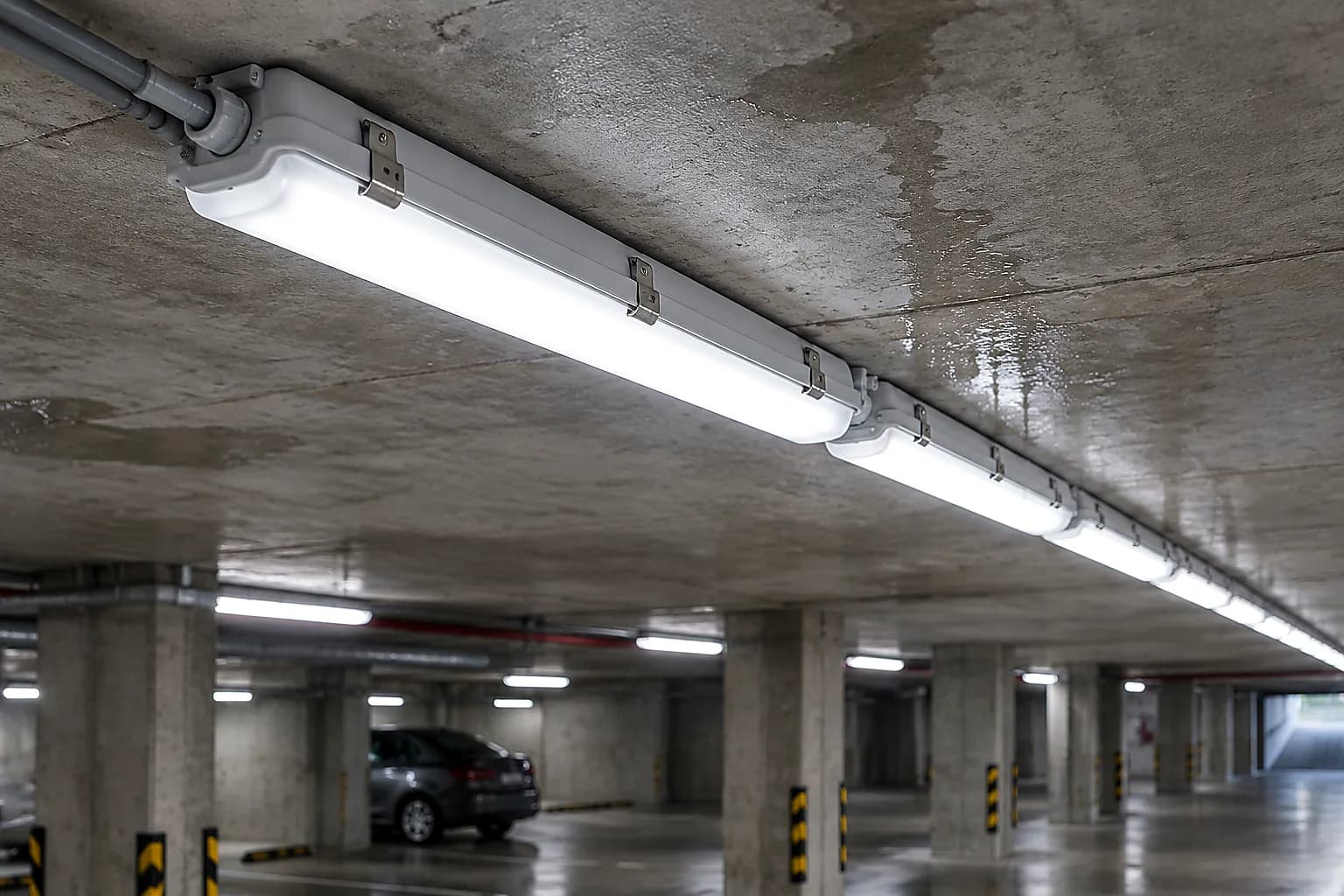
Vapor-tight and tri-proof lights are the workhorses for parking garages, food plants, cold rooms, car washes and anywhere a normal fixture would fill with water, dust or grease. The problem is that the names are regional marketing terms, not ratings. This guide explains how to read the actual spec: the difference between IP65, IP66, IP67 and IP69K, what IK08 and IK10 really measure, why an NSF listing is not the same thing as an IP rating, how NSF/ANSI 2 divides a food plant into food, splash and non-food zones, and why cold storage is mostly a driver and condensation problem rather than a waterproofing one. It ends with the details to verify before you order: gasket chemistry, stainless latches, conduit entry, operating-temperature range and how to check the listing number in the certification database.
Product knowledge
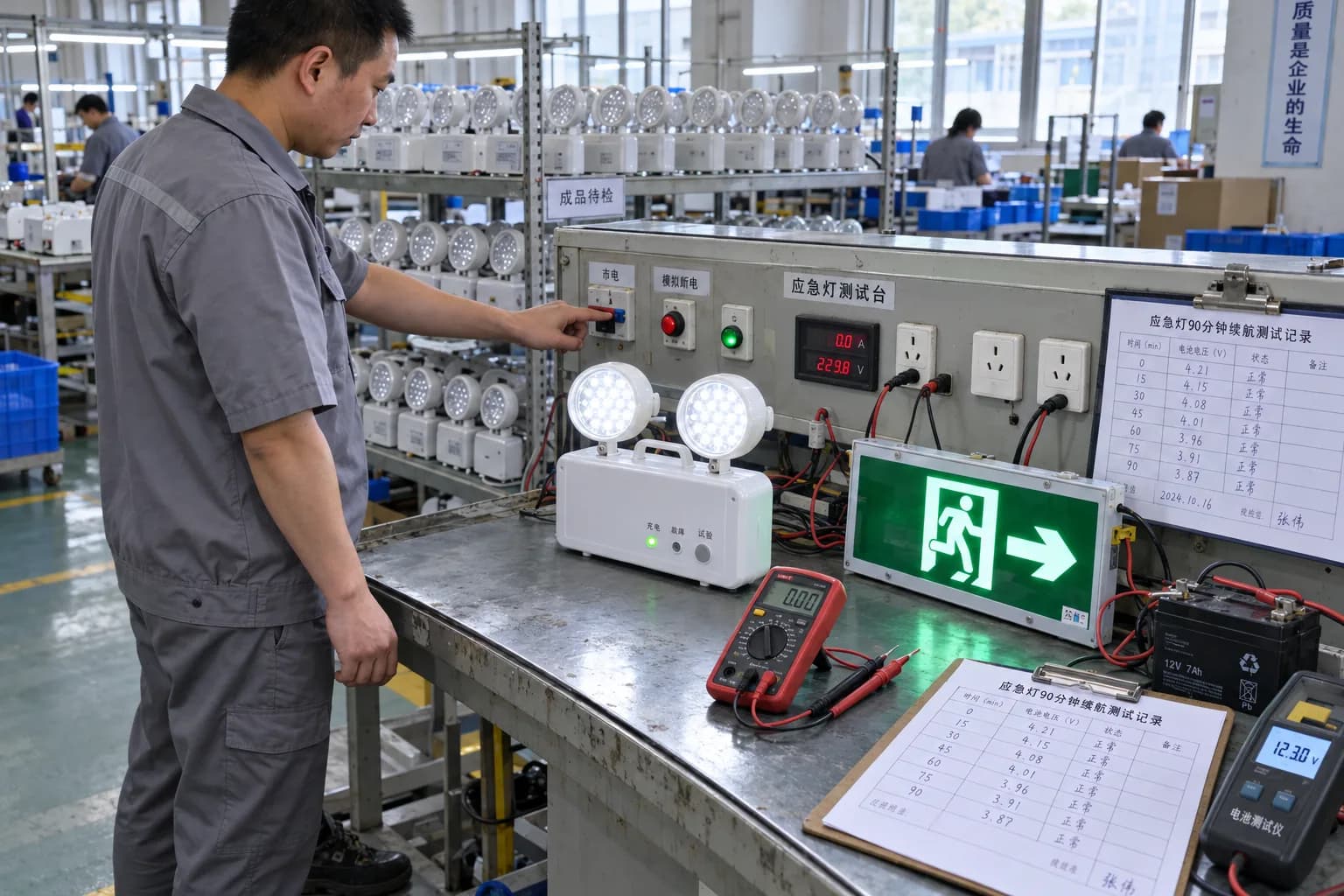
Emergency and exit lighting is part of the means of egress, not a backup lamp. Compliance comes from listed equipment, the correct circuits, the required illuminance and duration, and a mandatory testing schedule. This guide explains how UL 924, NFPA 101 and IEC/EN 60598-2-22 work together, what the 1 foot-candle and 90-minute rules mean, how to choose between self-contained and central battery systems, why a battery pack cannot be retrofitted onto an existing LED fixture, and how the 30-second monthly and 90-minute annual tests prove the system works.
Product knowledge
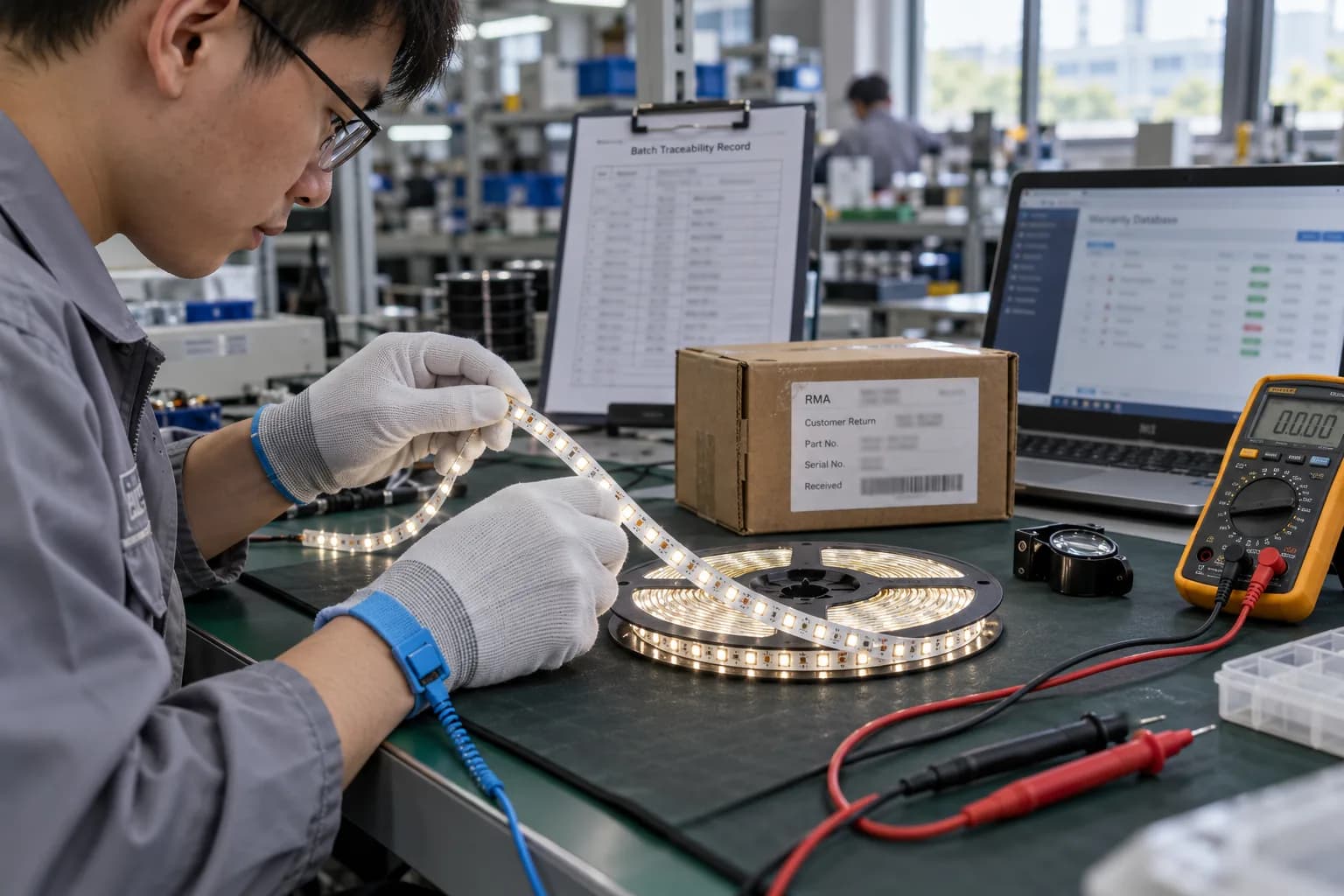
A warranty is a written, conditional promise, not the rated life of the LED. The years on a datasheet usually run shorter than the L70 figure, and the fine print decides what is actually covered, what is excluded, who pays freight and labor, and what remedy you receive. This guide explains how an LED warranty is built, how it differs from LM-80/TM-21 lifetime, where buyers quietly lose coverage, and how to write the terms into a purchase order so the promise is enforceable when a batch fails.
Product knowledge
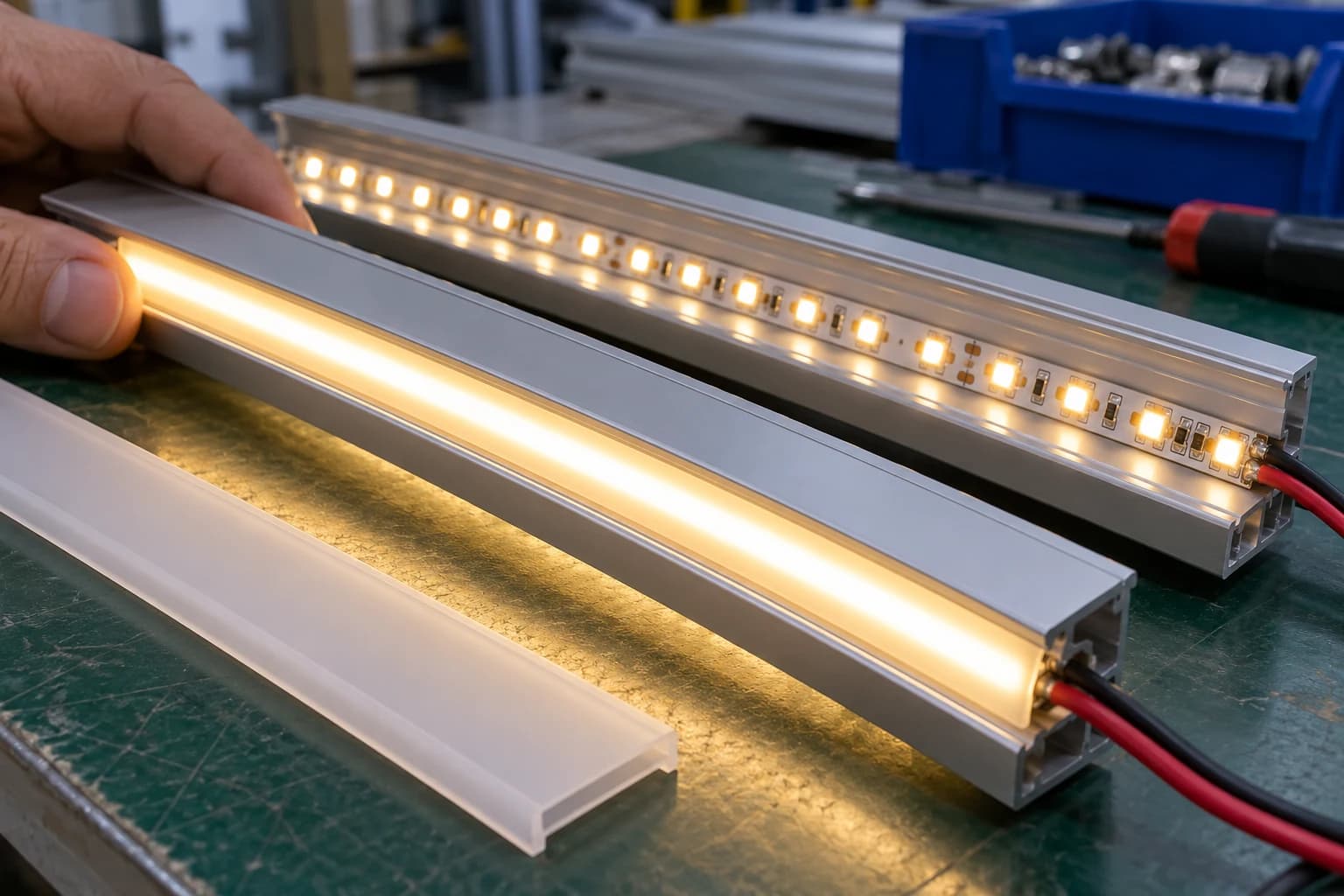
COB strips mount the bare LED chips directly on the PCB and cover them with one continuous phosphor layer, so the light comes out as a single line with no visible dots. That is the one thing COB guarantees - it does not automatically mean brighter, more efficient, cooler or longer-lasting. This guide explains how COB differs from SMD under the surface, where the dotless line is actually worth paying for, where a good SMD strip in a proper profile is the better choice, and how to specify and verify a COB strip around heat, cut points, CRI and dimming.
Product knowledge
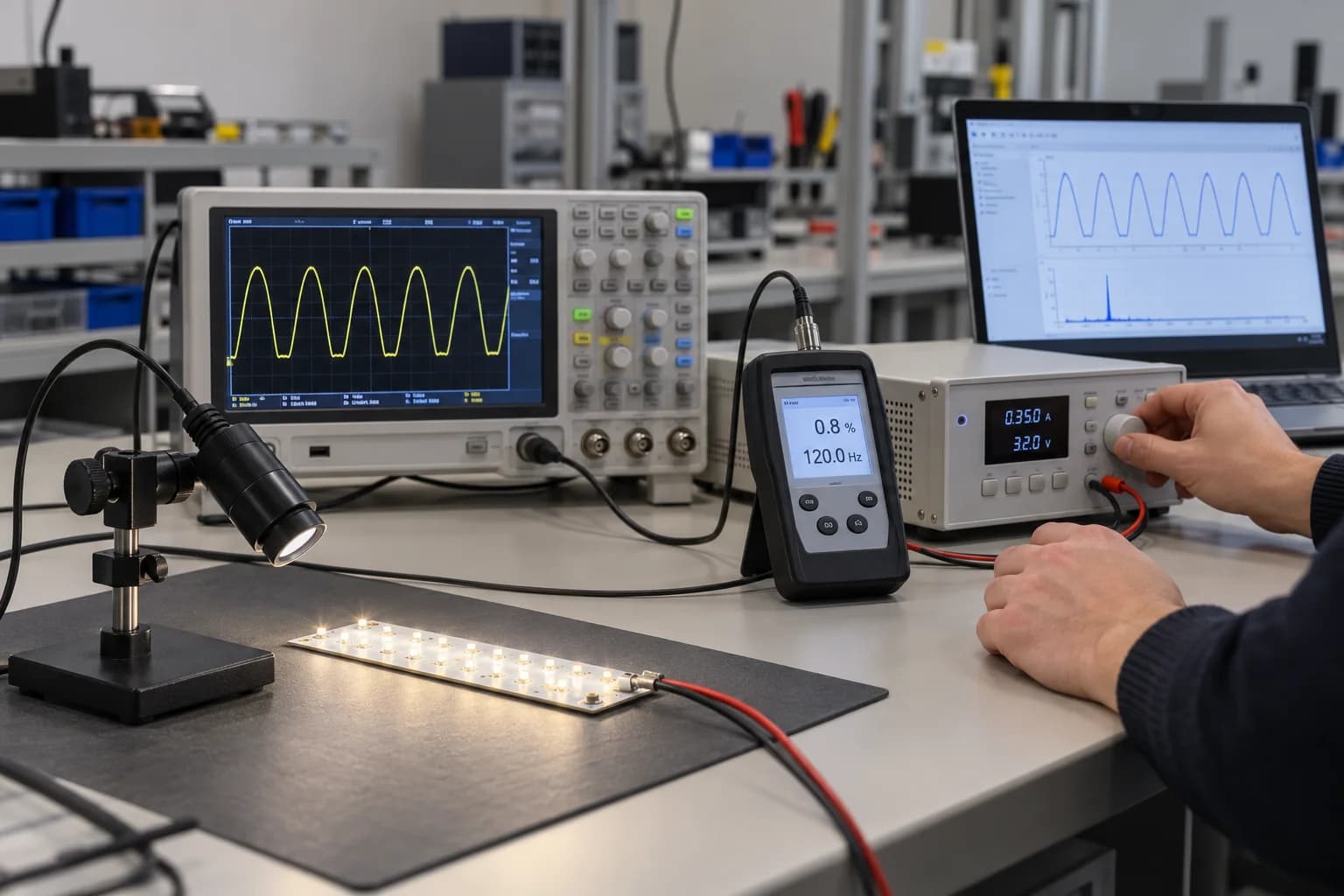
Flicker is the one LED problem a buyer cannot read on a cut sheet and often cannot see standing still in a room. IEEE 1789 turns it into a graph of modulation frequency against percent flicker, with two boundary lines - a no-effect level at frequency times 0.033 and a low-risk level at frequency times 0.08 - and the newer metrics PstLM and SVM have since taken over in European regulation and DLC reporting. This is what the standard actually recommends, how percent flicker and flicker index differ, why dimming usually makes flicker worse, and how to test a product instead of trusting the two words flicker free printed on a datasheet.
Product knowledge
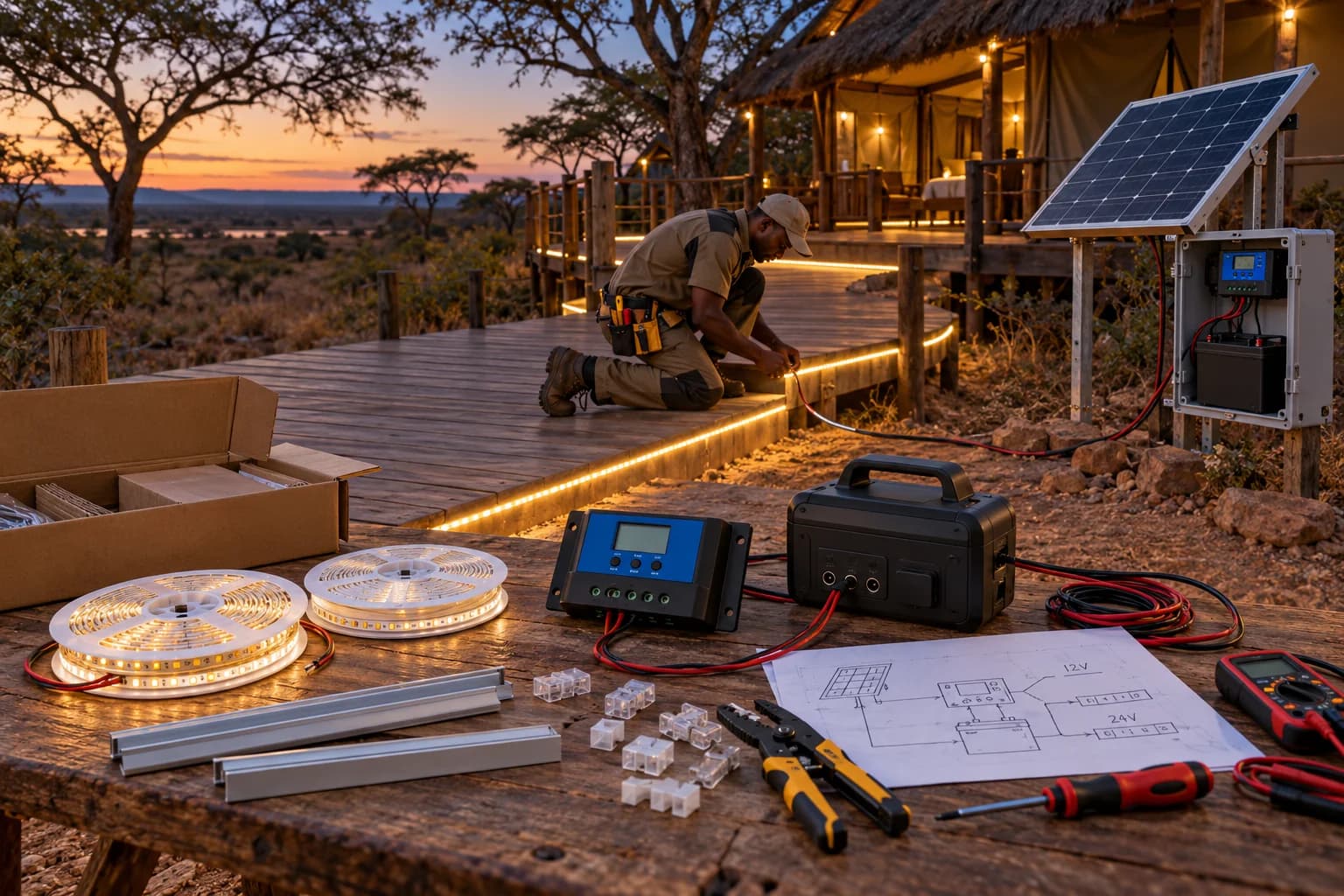
A sign contractor in Johannesburg needs the storefront to stay lit through load shedding, an importer in Nairobi restocks what local traders call snake lights by the metre, a decorator in Lagos wants 50-metre neon reels for events, and a contractor in Casablanca sends the enquiry in French asking for a fiche technique and a devis. They are all buying LED strip, but they call it different names, run different wall voltages and plugs, clear it under LOA, PVoC, SONCAP and CMIM, and pay in rand, shillings, naira and dirham. Add the question that almost never comes up in Europe or Latin America - whether the strip runs on the grid or straight from a solar battery - and Africa is clearly four markets, not one. This is how strip orders for South Africa, Kenya, Nigeria and Morocco are actually specced, certified and imported, and where buyers lose money treating the continent as a single price list.
Product knowledge
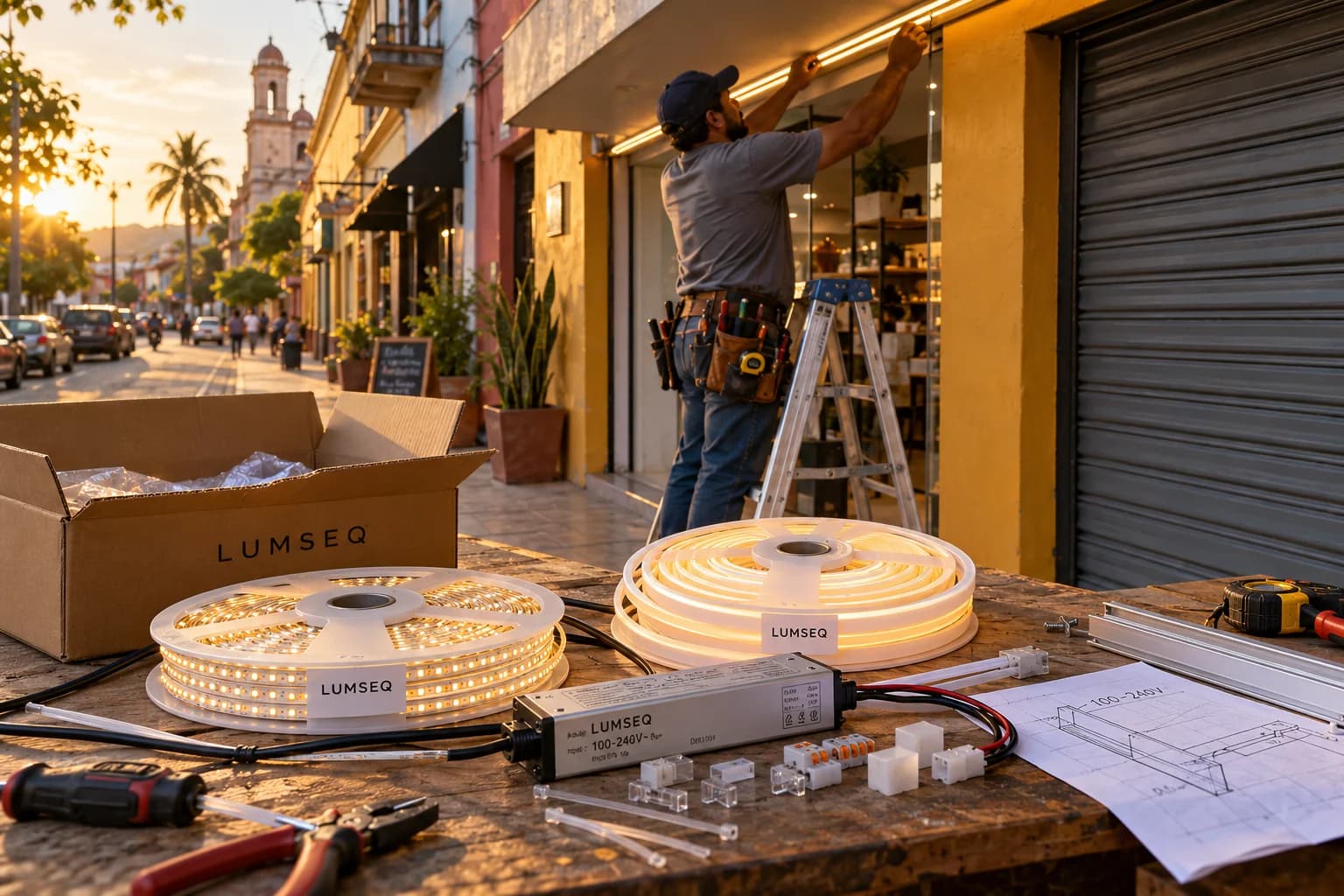
A sign maker in Mexico City, a retail chain buyer in Medellin and an importer in Sao Paulo do not just buy the same product under different flags - they call it different names, run different wall voltages, and clear it under three different compliance regimes. Before you ask a Chinese strip factory for a price, four decisions set the result: whether to buy at local mayoreo or import direct, which voltage the destination city actually uses (127V, 110V, or 127-or-220V), how NOM, INMETRO and RETIE apply to the exact models, and what unit the quote is priced on. This is how Latin American LED strip orders are actually specced, certified and imported - and where buyers lose money by treating the region as one market.
Product knowledge
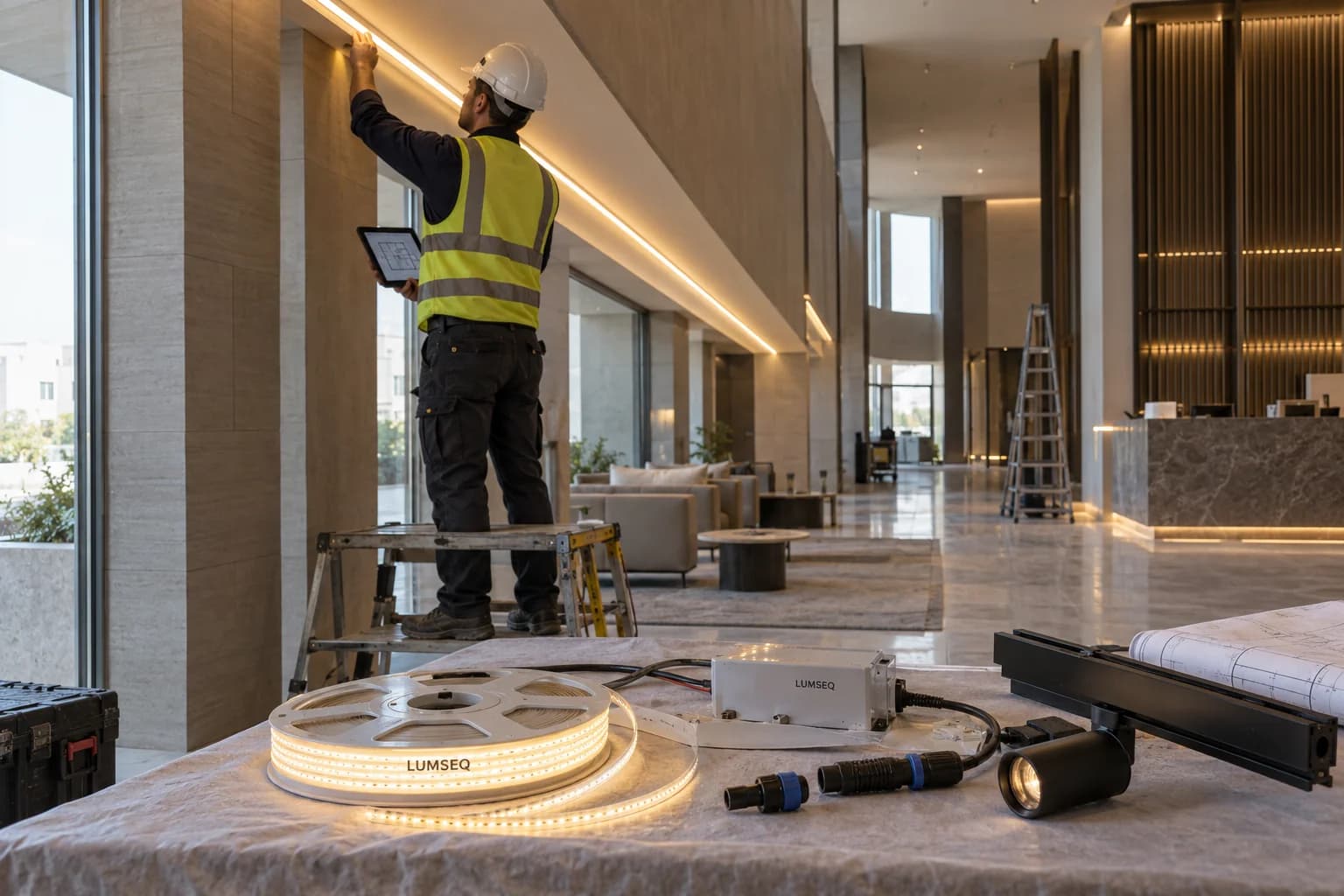
A hotel fit-out in Dubai and a facade job in Riyadh both need LED strip, but they do not need the same strip. Before you ask for a price, three decisions decide the result: whether to buy local stock or import direct, which voltage system actually fits the application, and how SABER or ECAS paperwork is filed for the exact models. This is how a China strip factory prices, certifies and ships project orders into the UAE and Saudi Arabia - and where Gulf buyers quietly lose money.

Product knowledge
Two LED quotes can show the same wattage and an FOB price 8 percent apart, and the cheaper one can still cost you more by the time it sits on your shelf. FOB is where the price starts, not where it ends. Here is every line between the factory and your warehouse, the HTS and duty rules that move the number most, and a worked example for a 40HQ of LED panels.

Product knowledge
Read UGR tables with their reference conditions, separate them from project calculations, and agree the method and evidence before approving office lighting.

Product knowledge
A certificate PDF or photo is not proof of safety - only a current listing in the certification body's own database is. Here is what UL, ETL, FCC, DLC, ENERGY STAR, CE and ENEC actually mean, the standards behind them (UL 1598, UL 8750, LM-79, LM-80, TM-21), and a step-by-step way to verify every certificate and reject a forged one.
Product knowledge
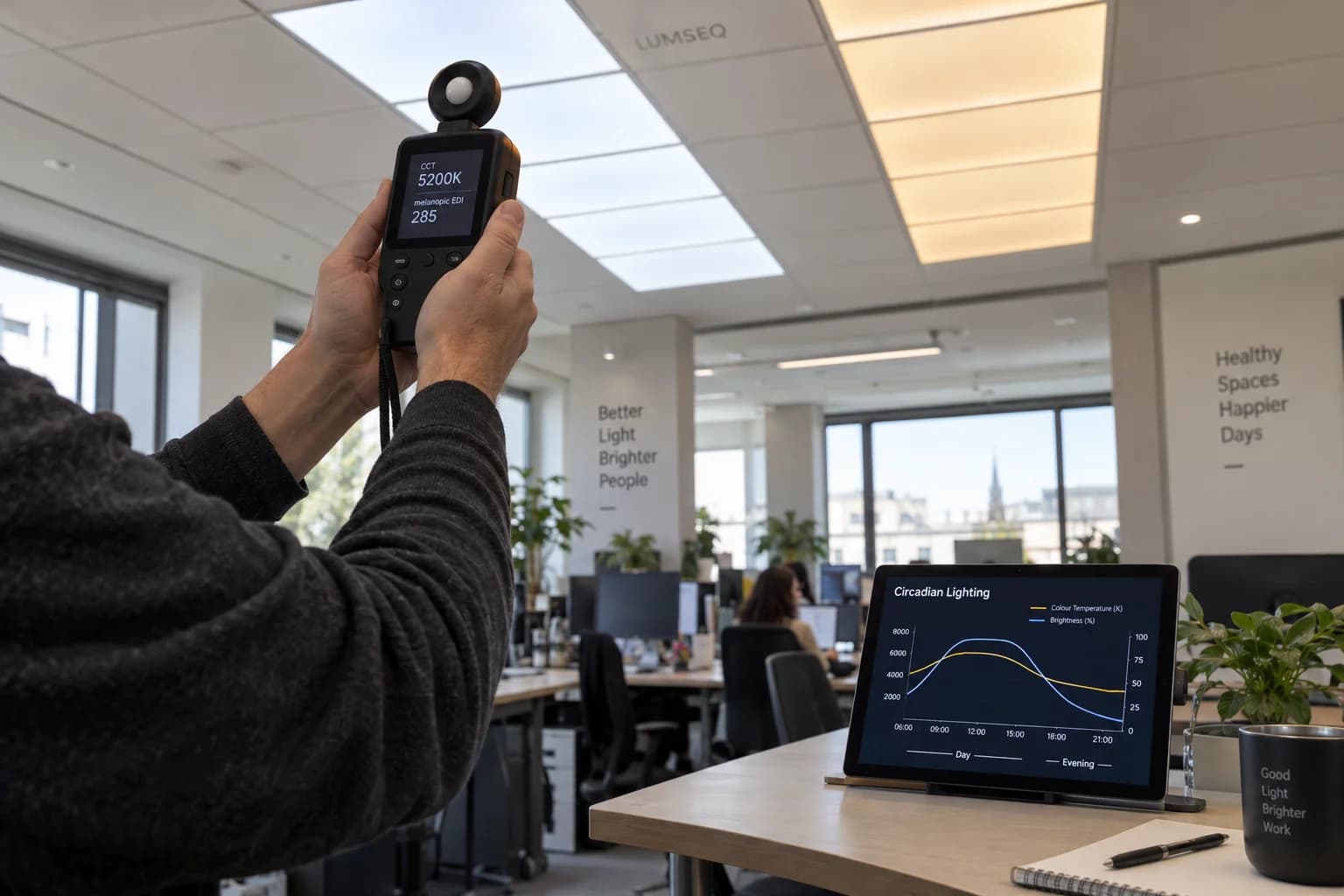
A fixture that changes colour temperature is not automatically a circadian lighting system. Tunable white is a hardware feature; circadian or human-centric lighting is a verified result measured in melanopic EDI at eye level. Here is what the CIE S 026 numbers mean, how DALI DT6, DT8 and D4i differ, and what to actually write into a specification.
Product knowledge
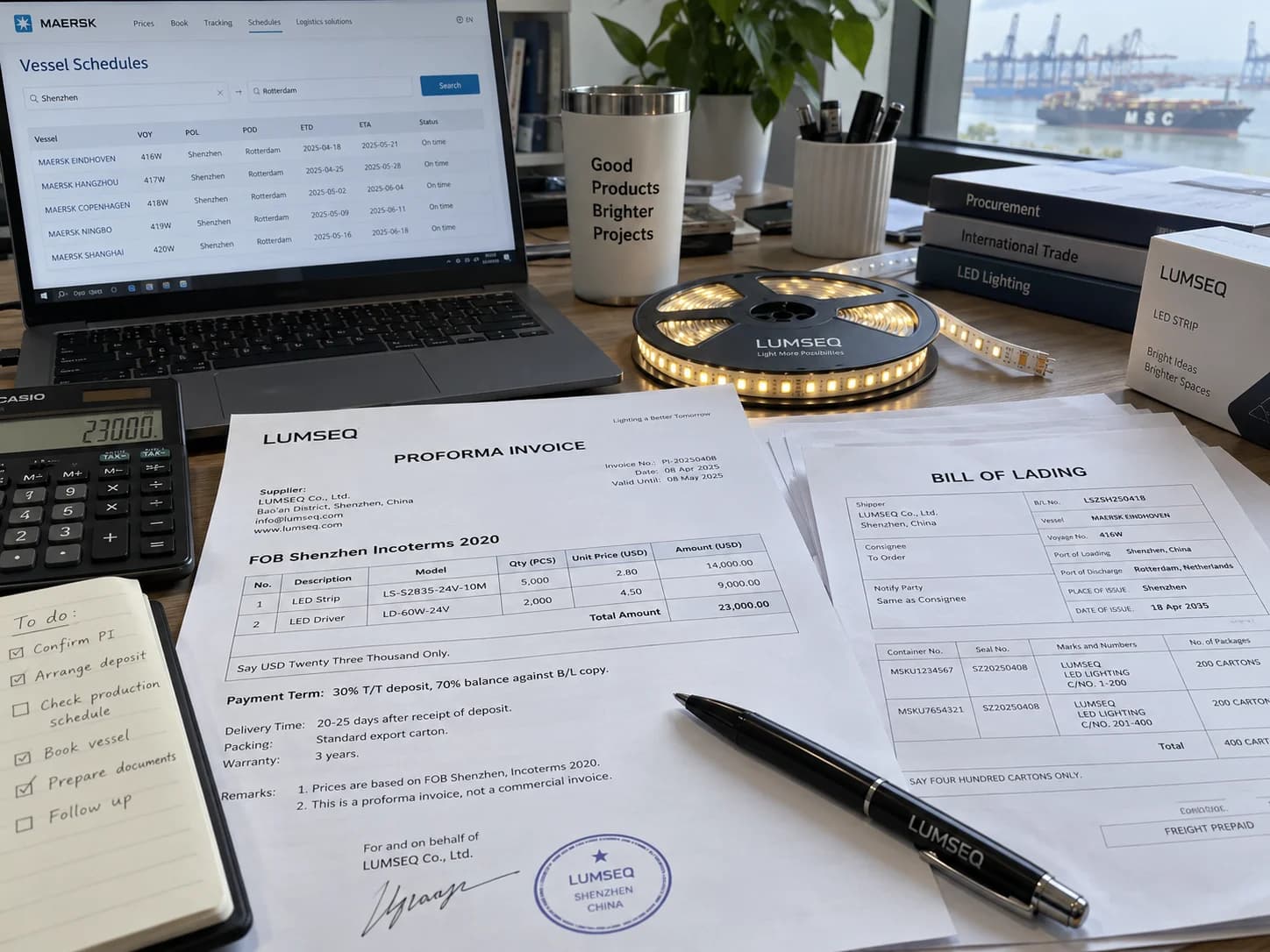
The unit price is only one number on a proforma invoice. Payment terms decide when your money leaves your account, and Incoterms decide exactly where the risk of the goods passes to you. Here is how T/T, L/C, FOB, CIF and DDP work on a real LED order, and which combination actually protects an importer.
Product knowledge
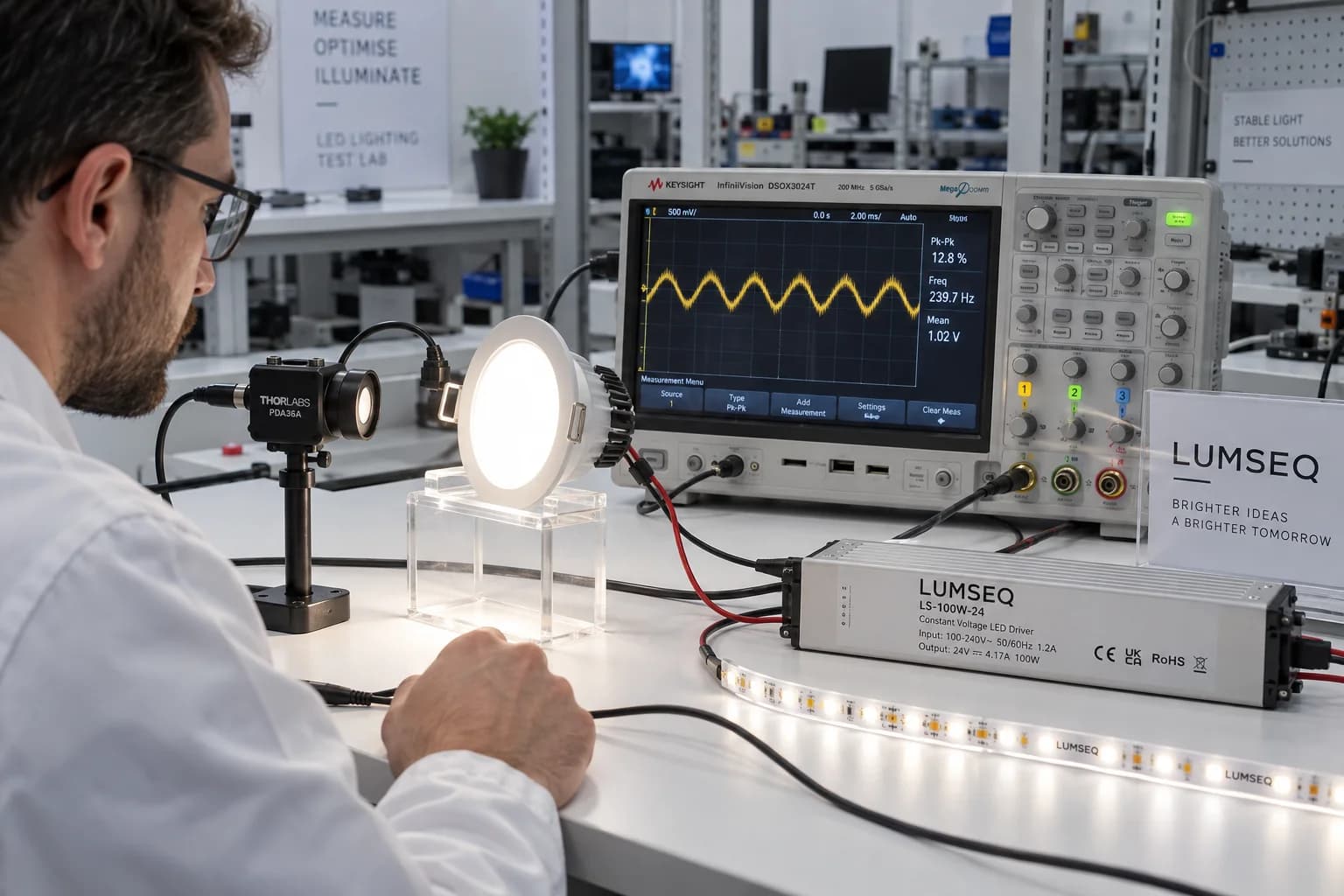
A light that looks steady to your eye can still flicker badly enough to cause headaches, ruin high-speed cameras, and fail a spec. Here is how percent flicker and flicker index work, what IEEE 1789 says, and what to put in your purchase specification.
Product knowledge
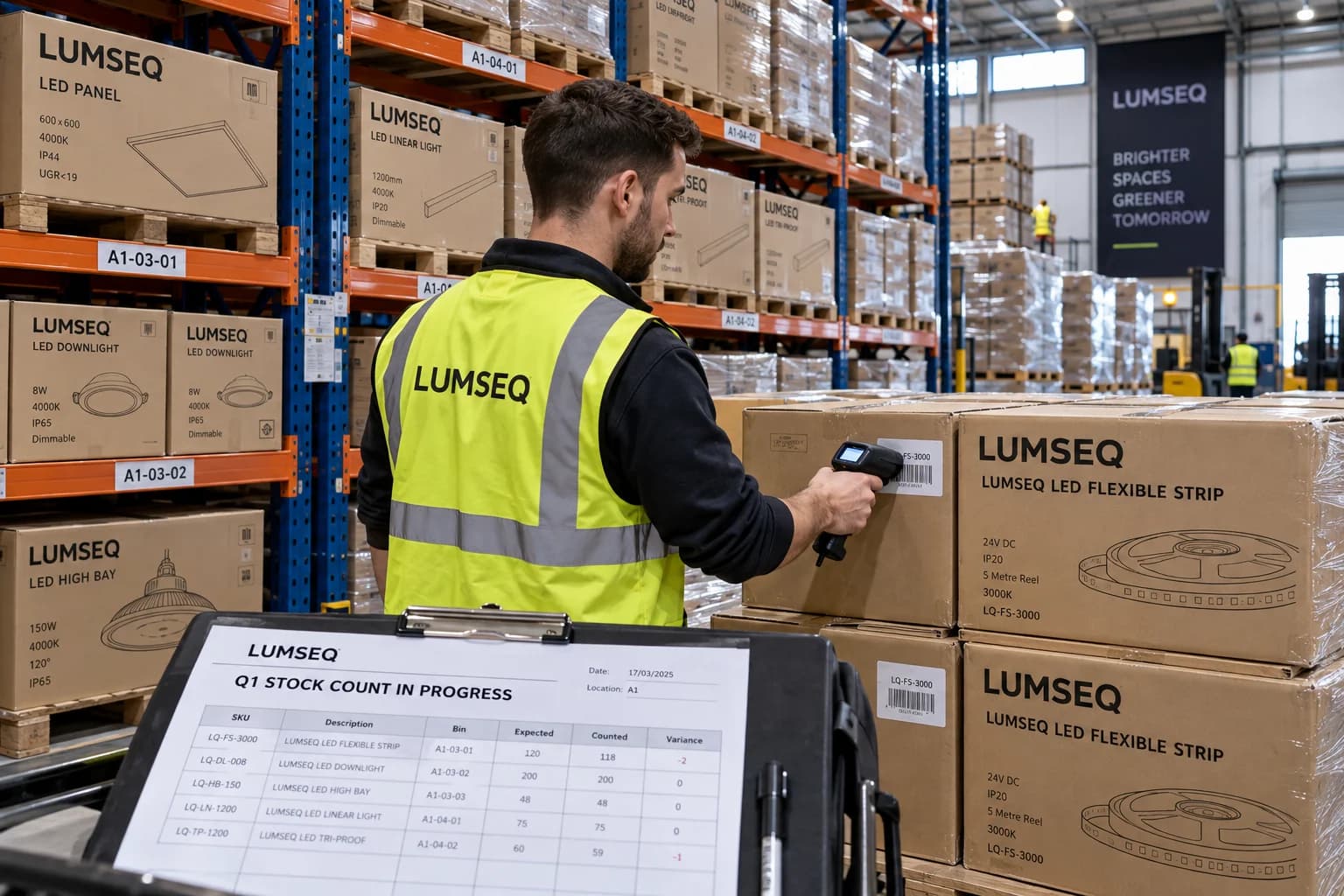
Your LED order takes 50-60 days from confirmation to your warehouse. If you reorder only when stock runs low, you will stock out — that is a math problem, not a supplier problem. Here is how to set safety stock and a reorder point that actually protect you.
Product knowledge
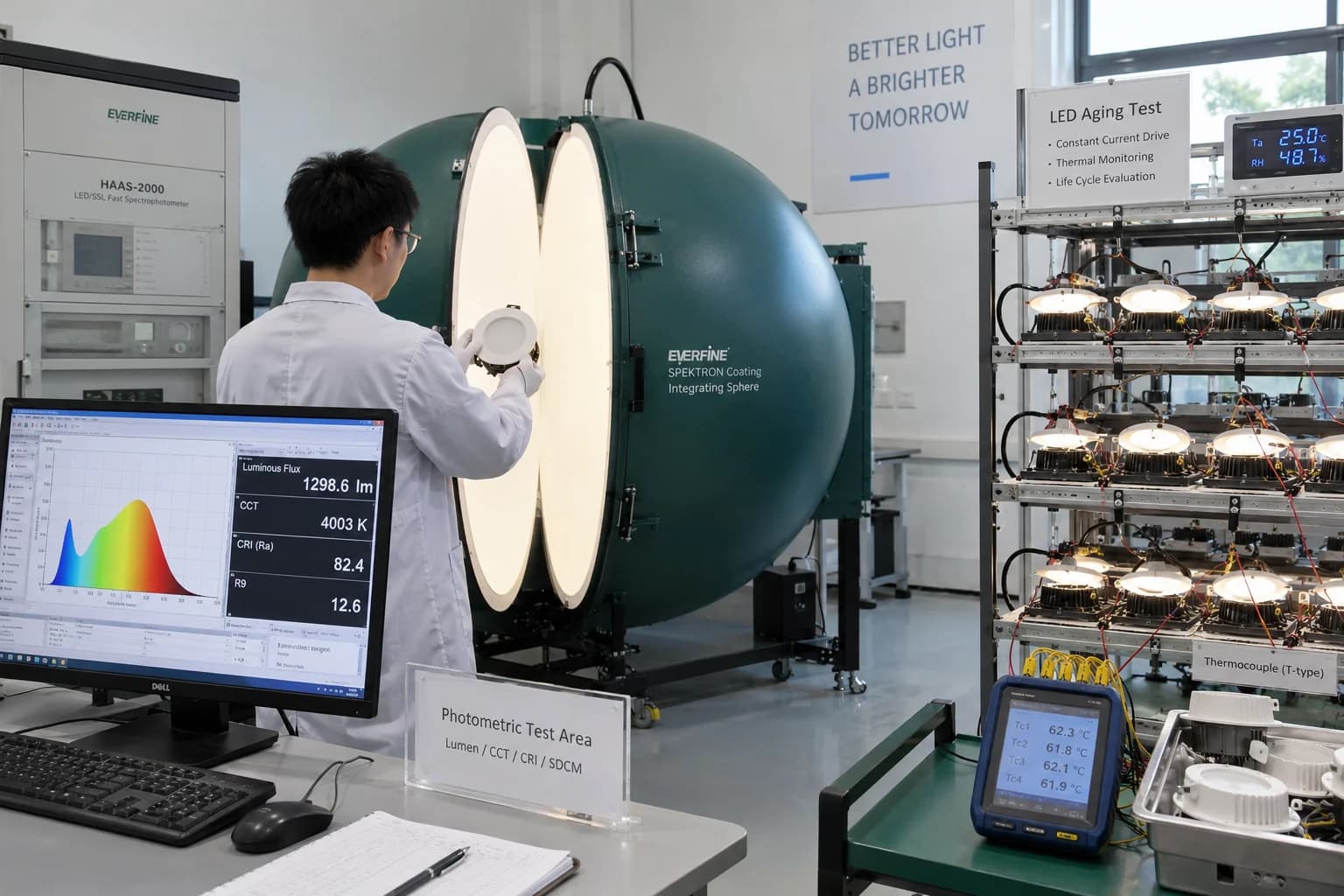
A '50,000-hour LED' does not mean what most buyers think it means. Here is how lumen depreciation works, how to read L70 and LM-80 claims, and the questions that separate honest lifetime ratings from marketing numbers.

Product knowledge
Your LED order is 'in production' — but is it actually? Here is how to track production milestones, catch delays before they sink your schedule, and spot the warning signs of a factory that has deprioritized your order.
Product knowledge
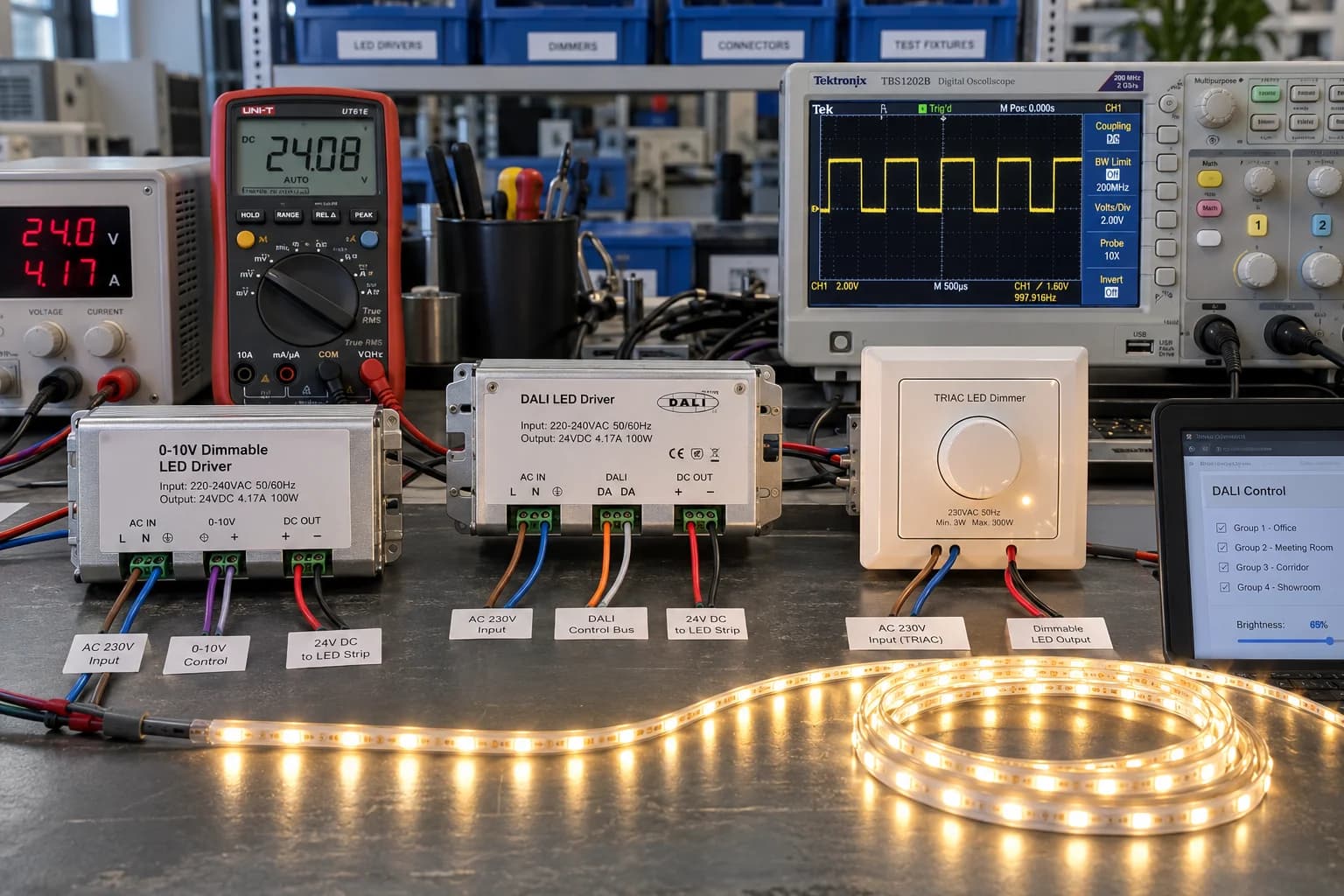
0-10V, DALI, TRIAC and PWM all dim LEDs, but they are not interchangeable. Here is how each protocol actually works, where each shines, and the compatibility traps that burn buyers on site.
Product knowledge
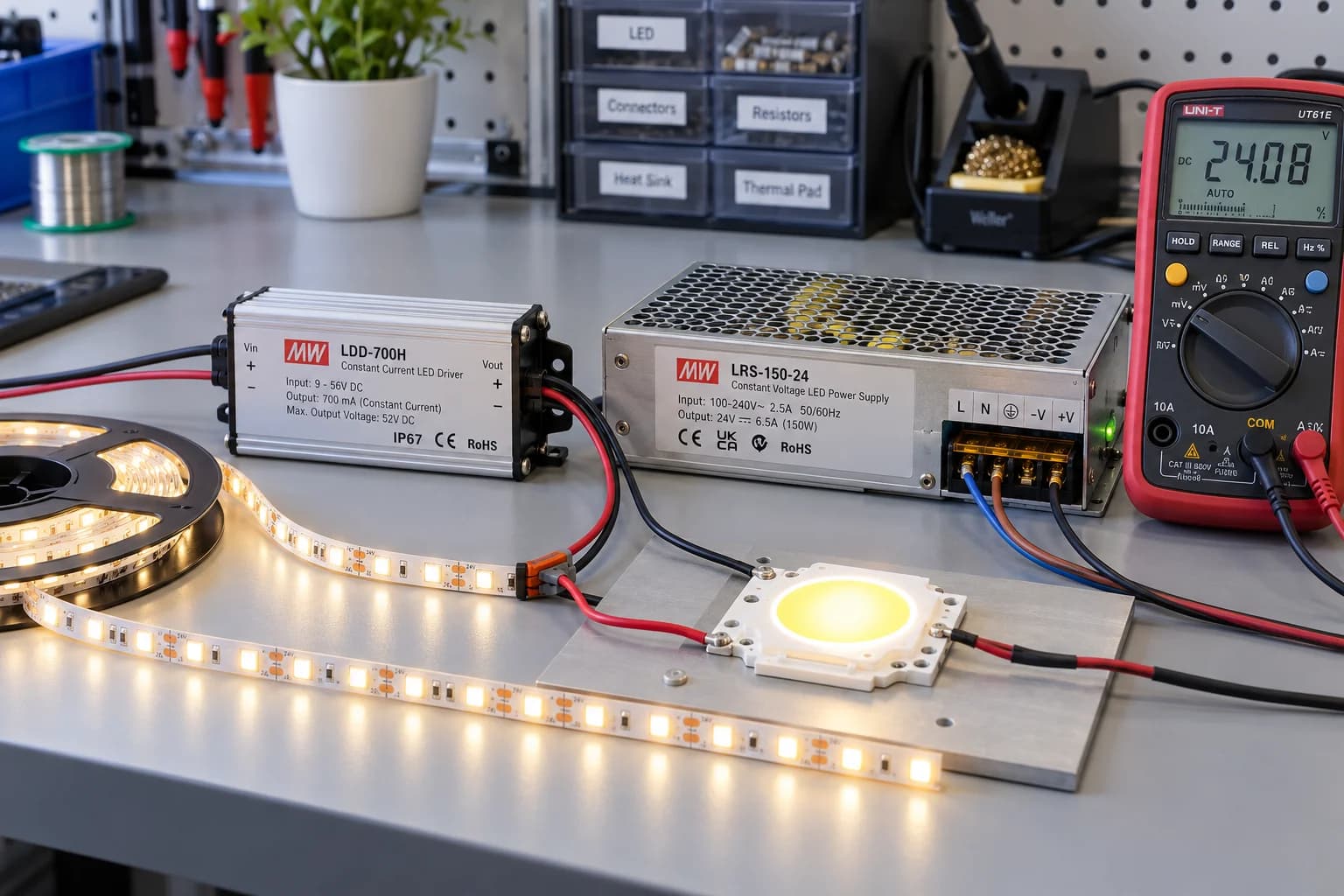
Pick the wrong driver type and your LED project flickers, overheats, or fails early. Here is how constant-current and constant-voltage drivers actually differ, which LED products need which, and the mistakes buyers keep making.
Product knowledge
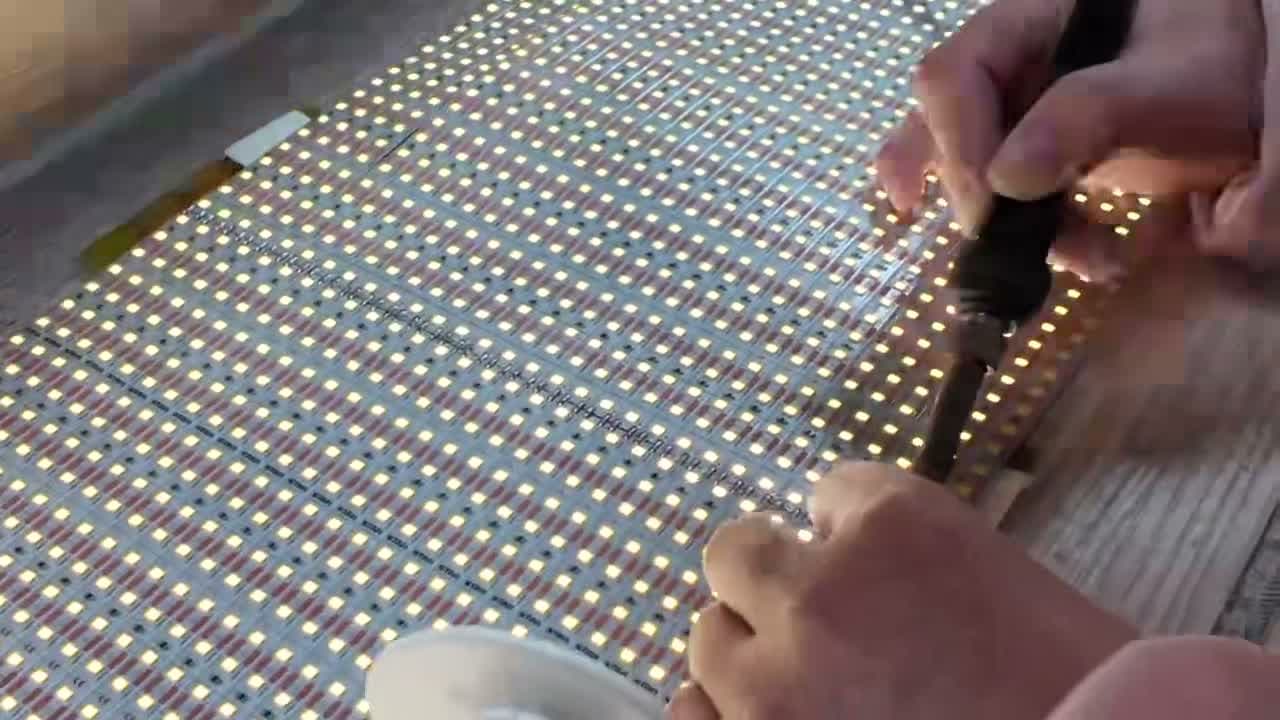
Define the inspection lot, agree a sampling plan, retain traceable evidence and document the release decision before shipping an LED lighting order.
Product knowledge
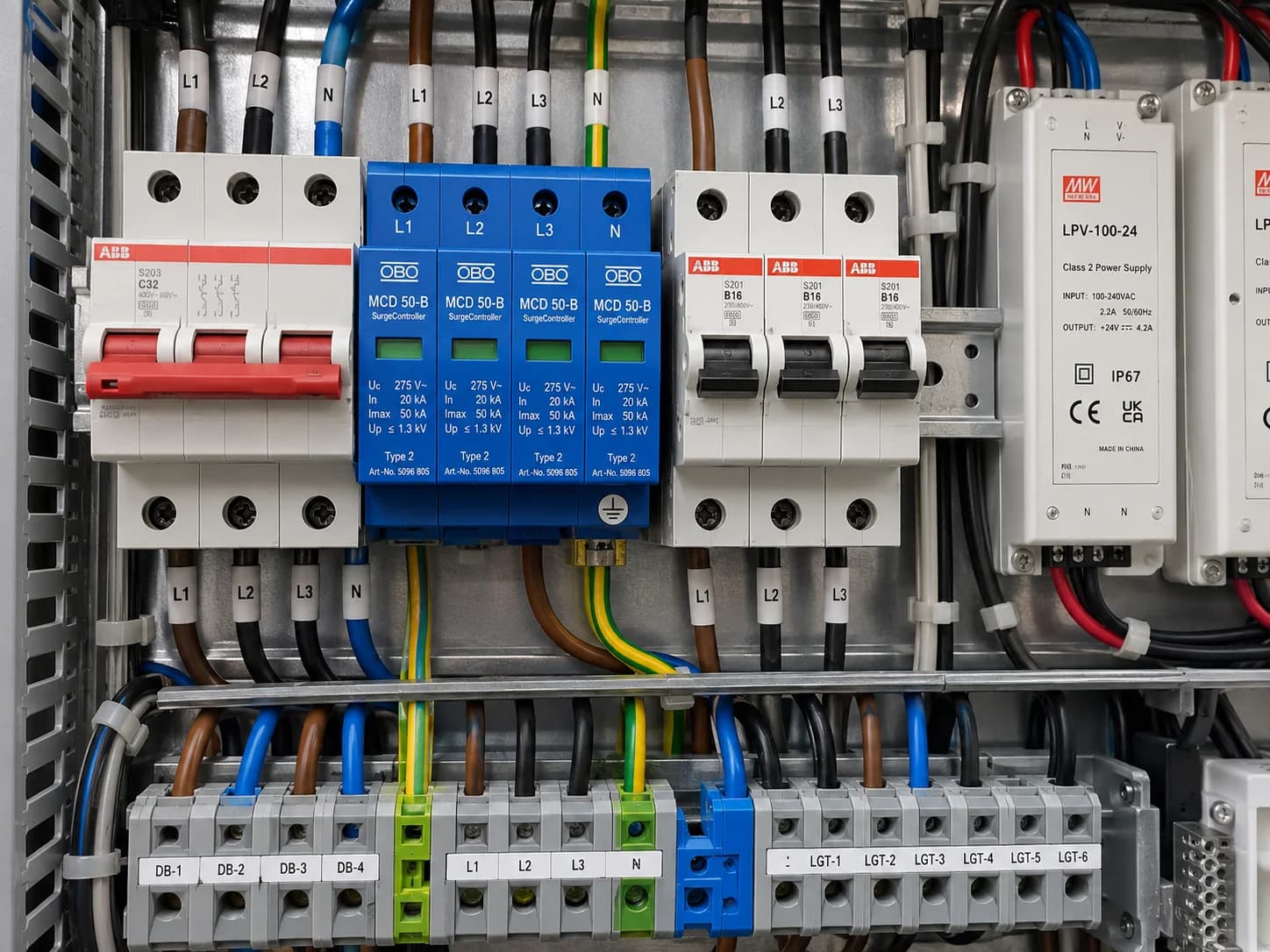
Surge damage is the #1 cause of premature LED driver failure in commercial buildings. Here is how surge protection works, what to spec, and why the cheapest driver is often the most expensive one you can buy.

Product knowledge
A factory says all units pass burn-in test. How do you know they actually ran it? Here is the buyer checklist for verifying LED lighting burn-in procedures, from test duration to failure analysis.
Product knowledge
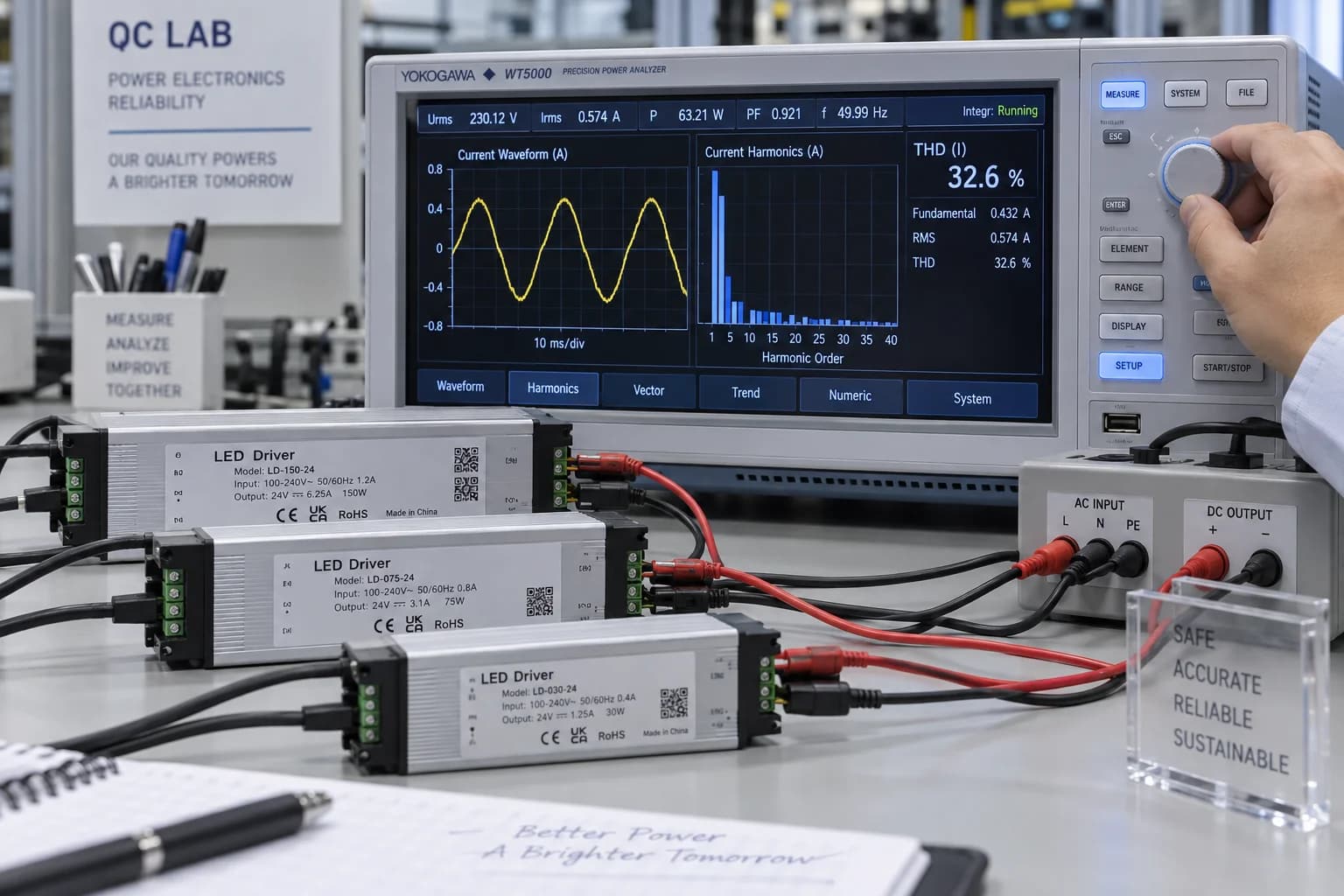
Power factor and THD are two of the most overlooked LED lighting specs—and the ones most likely to cause a failed electrical inspection. Here's what they actually mean, what numbers you should spec, and why cheap drivers fail the test.
Product knowledge
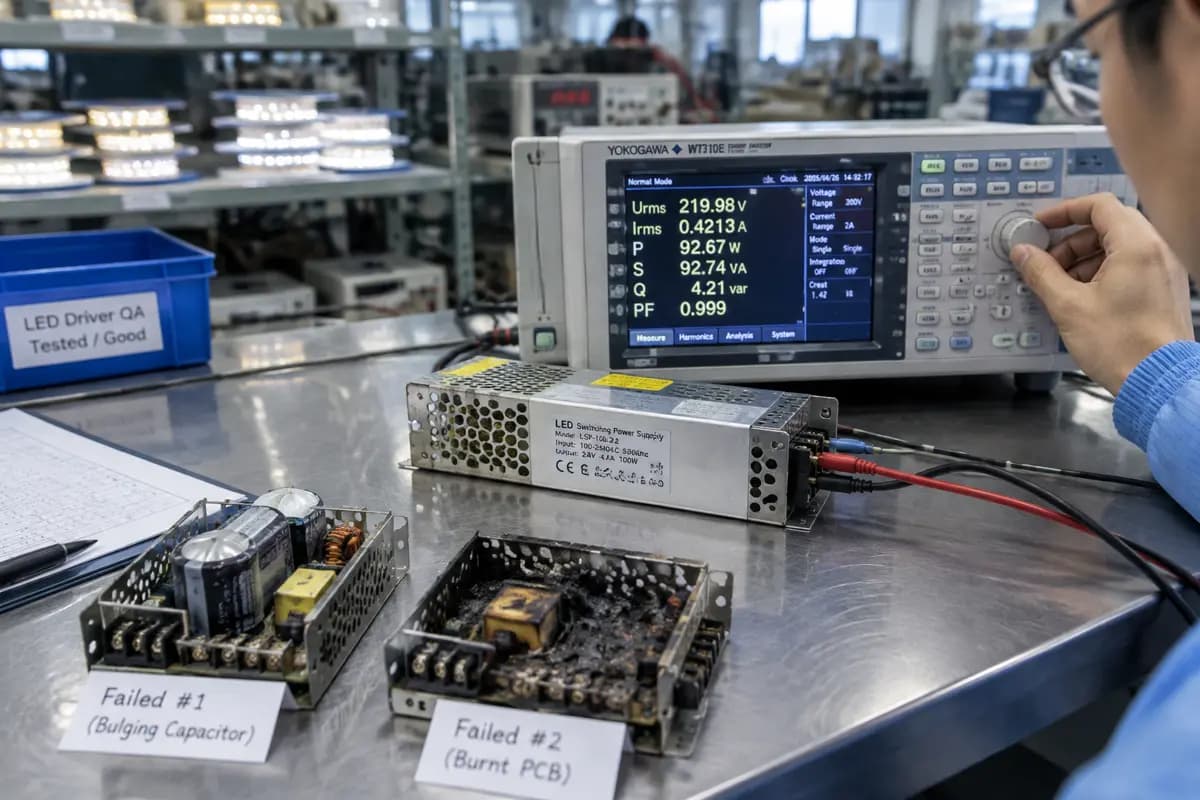
Why do LED drivers fail within months of installation? Usually not bad luck—it's three predictable design mistakes: overloading past 80% load, ignoring inrush current, and poor thermal design. Here's the buyer checklist.
Product knowledge
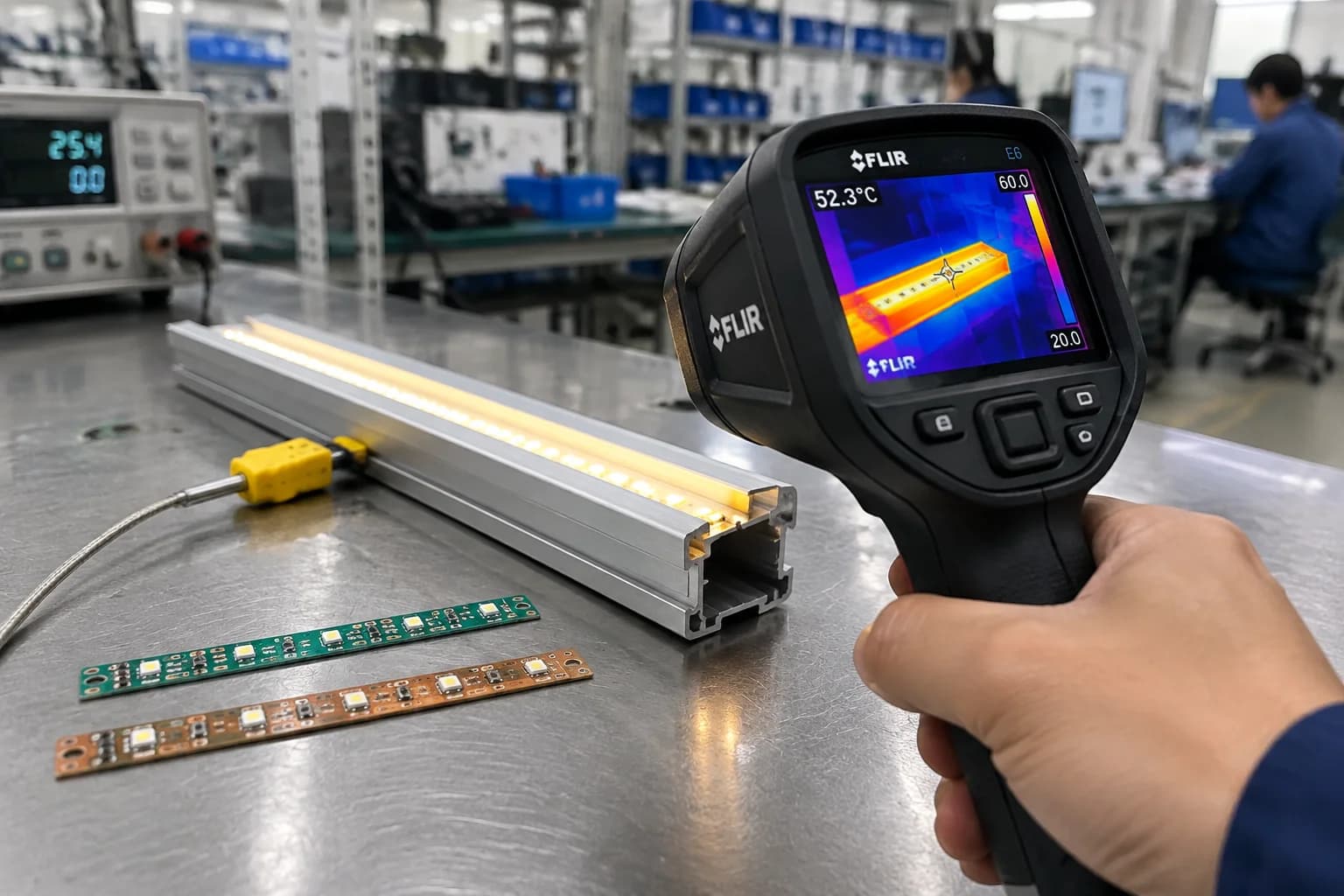
LED strip lifespan is not determined by the LED chip alone. PCB copper weight, aluminum profile selection and installation conditions all affect junction temperature — and every 10°C rise cuts lifespan roughly in half. This guide explains how thermal management actually works and what to specify for your project.

Product knowledge
A clear buyer's guide to LED strip light IP ratings — what IP65, IP67 and IP68 actually mean, which environments each rating is built for, and how to verify a supplier's waterproof claims before you order.
Product knowledge
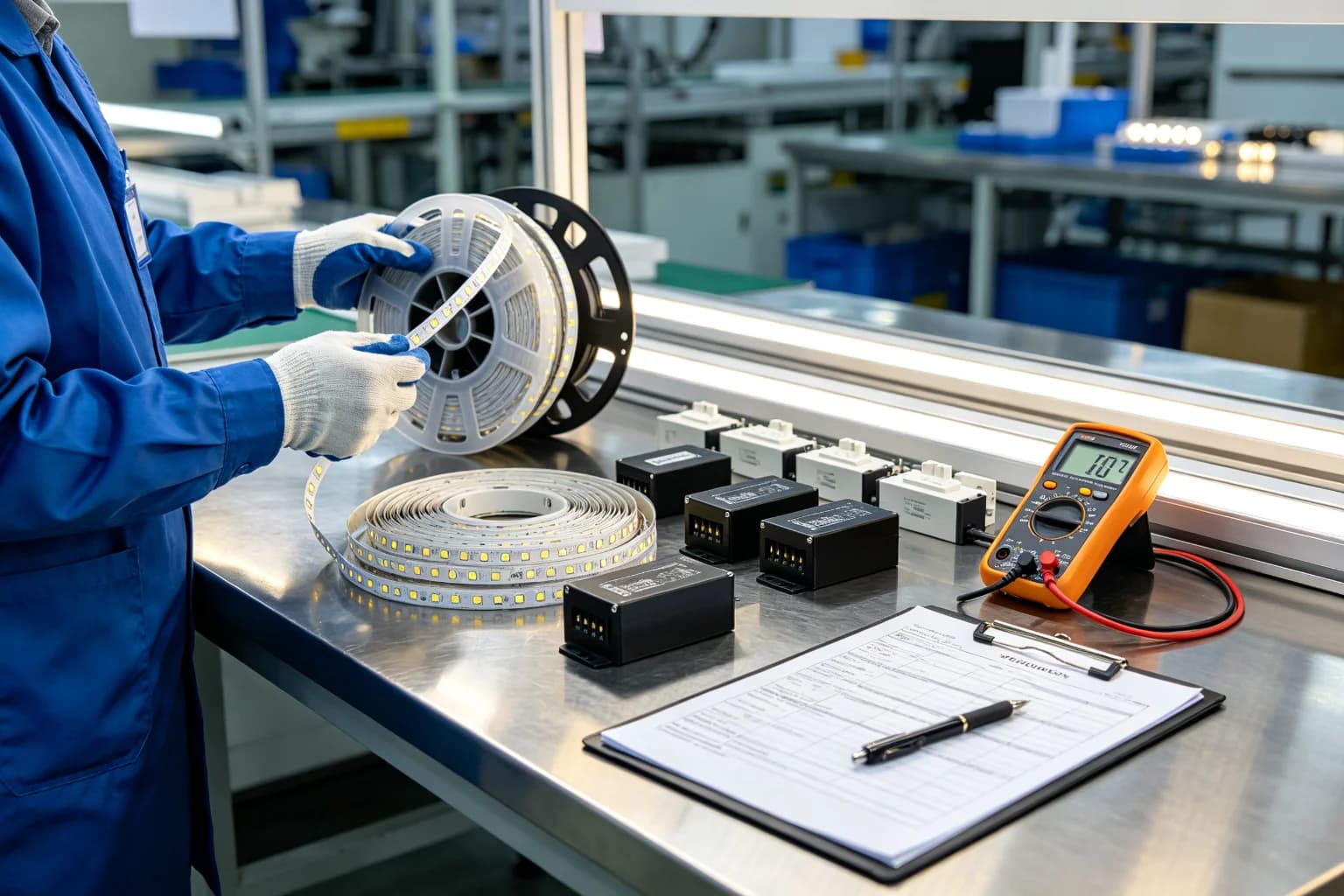
A practical factory audit checklist for LED lighting buyers covering legitimacy, production capacity, quality control, component supply chain, certification, social compliance and commercial terms.
Product knowledge
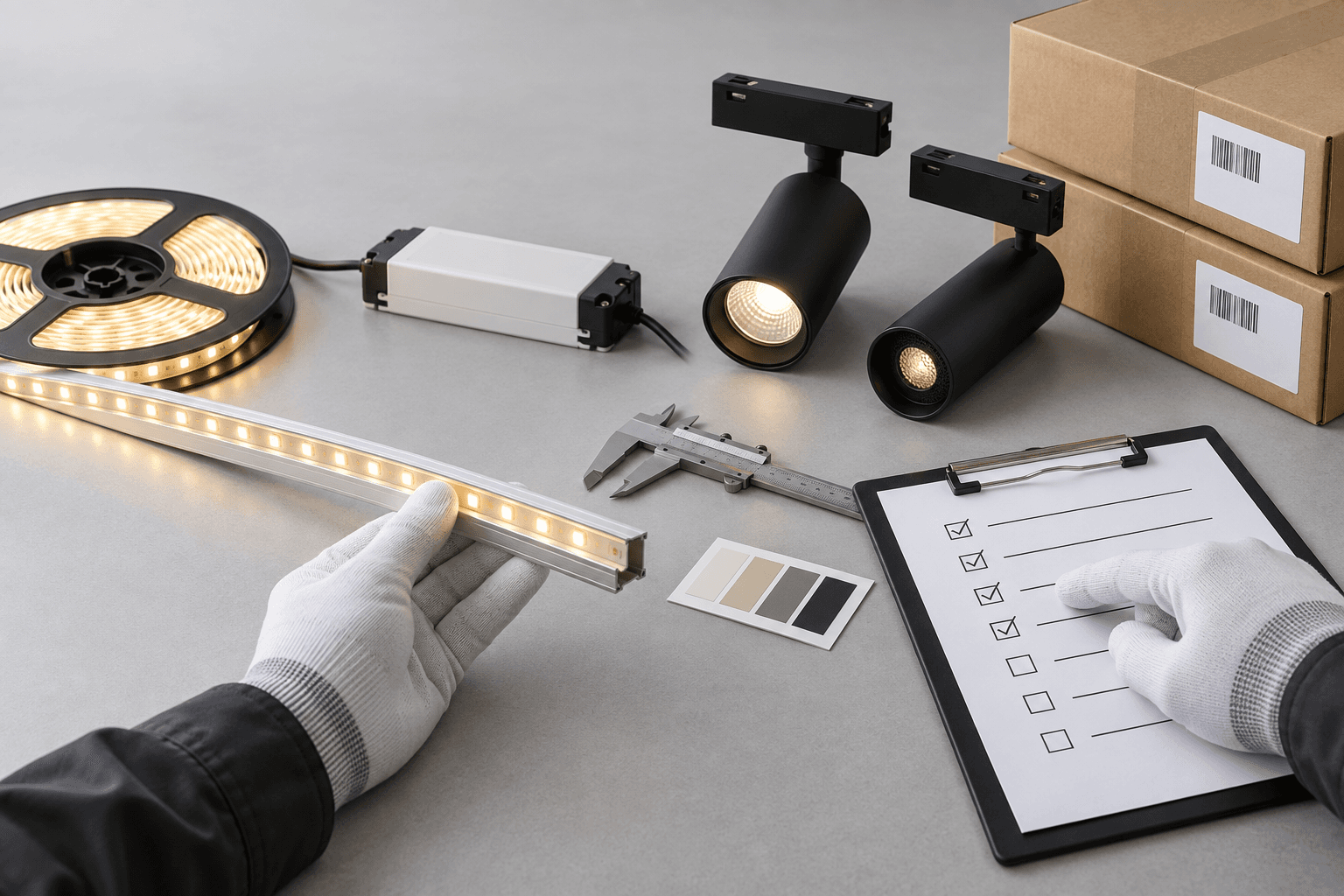
Approve a representative LED lighting pilot run against the frozen product, packaging and document baseline before releasing mass production.
Product knowledge
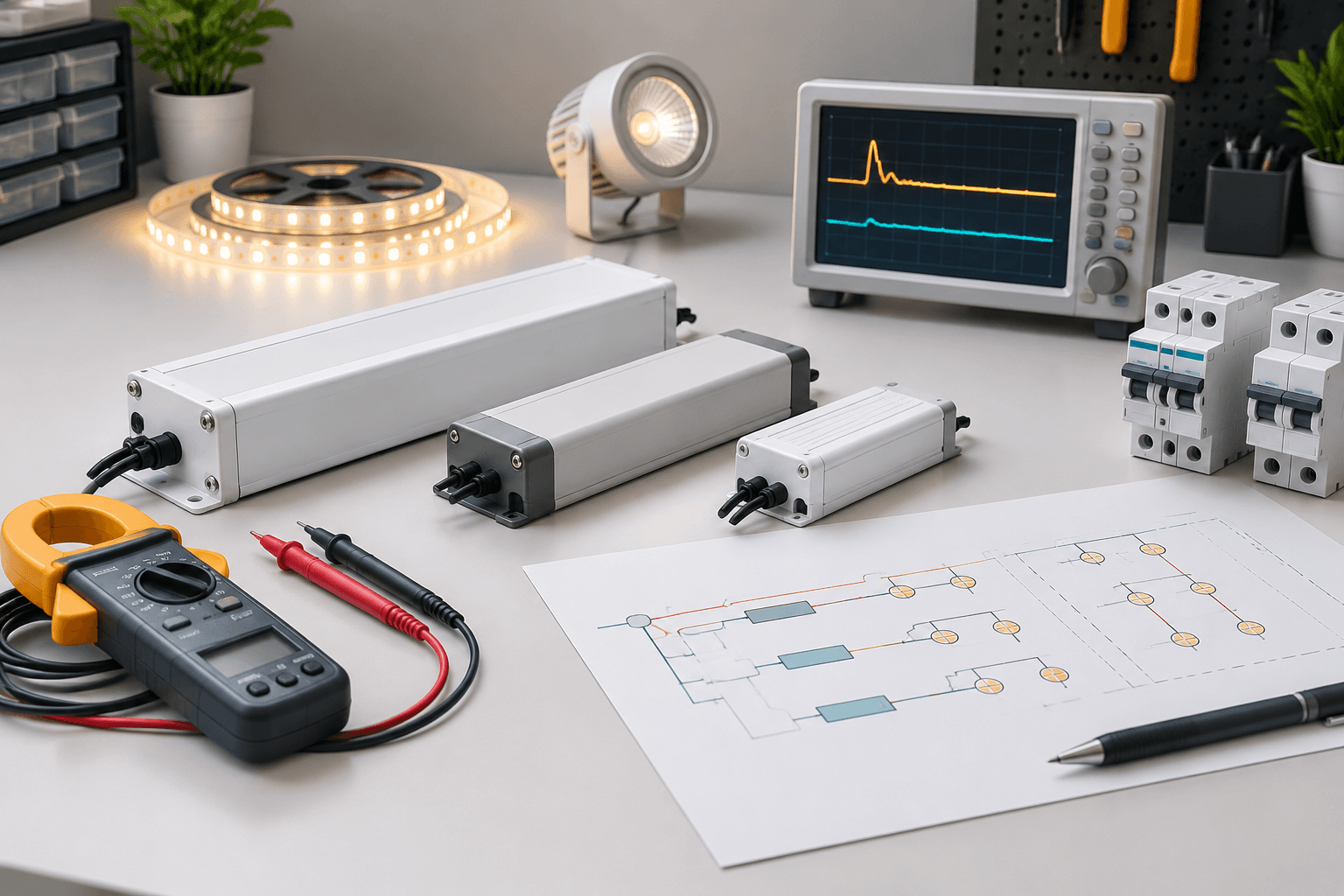
Plan commercial LED lighting circuits by separating driver inrush current from steady-state load, checking the exact model data and documenting qualified electrical review before release.
Product knowledge
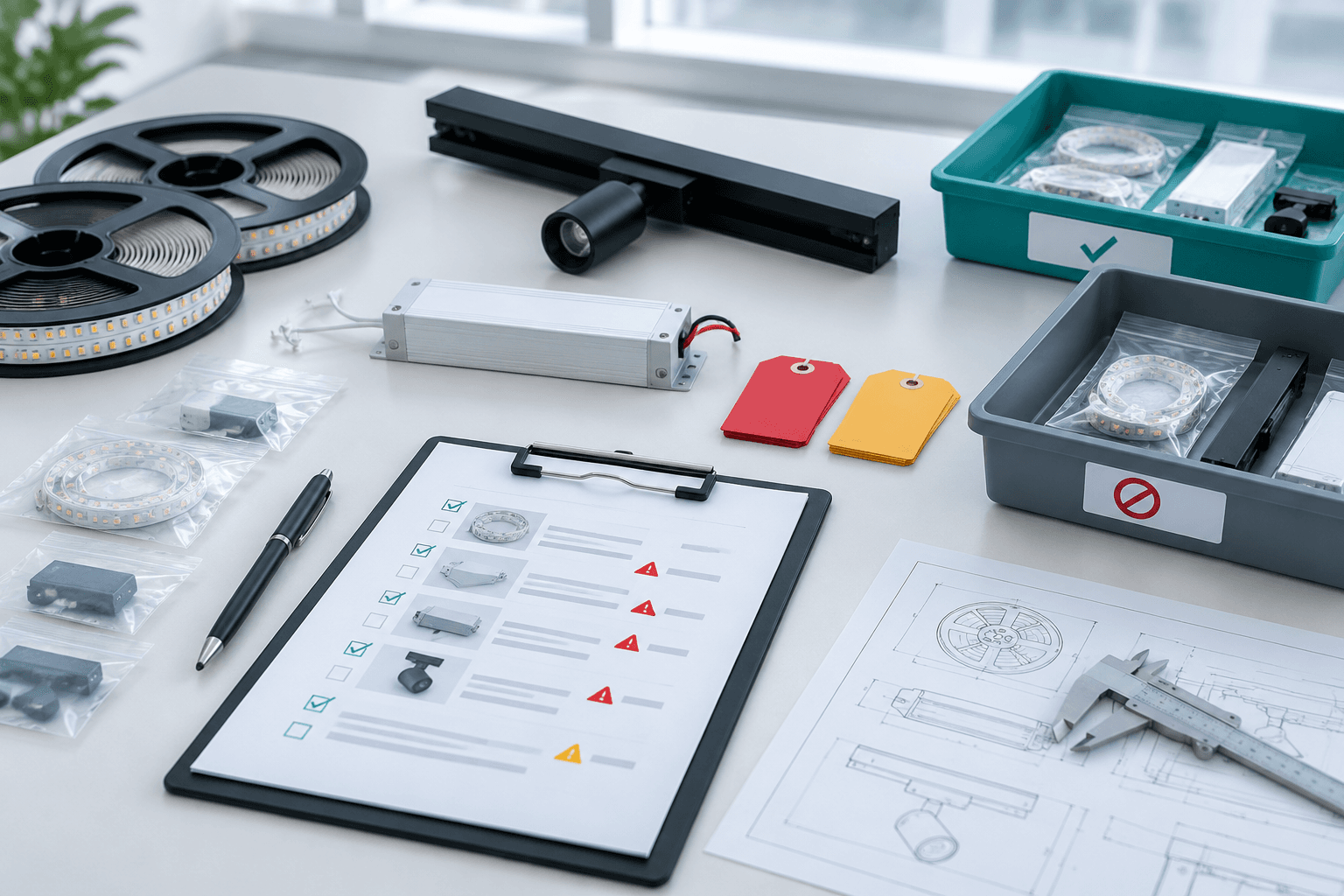
Record an LED lighting inspection finding with exact product identity, factual evidence, containment, disposition, corrective action and a controlled close-out decision.

Product knowledge
Keep LED lighting quotations, drawings, samples, test records and approval decisions aligned with a controlled document register before ordering, shipment or repeat supply.
Product knowledge
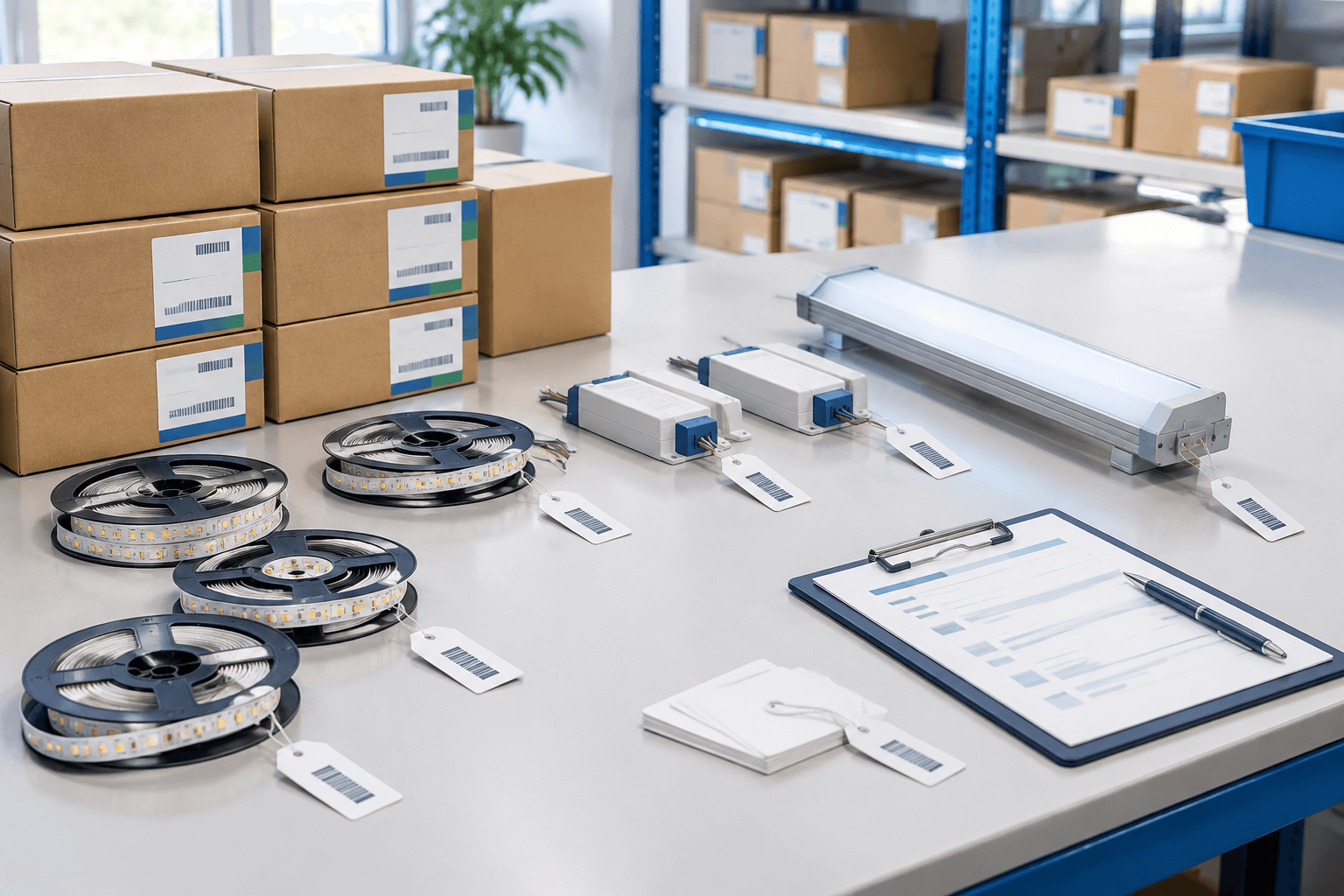
Link LED lighting models, revisions, batches, packages, receiving evidence and approved changes so importers can control repeat orders and investigations.

Product knowledge
Plan LED lighting container loading by package identity, handling risk, equipment condition, loading sequence, restraint records, exceptions and seal traceability.
Product knowledge
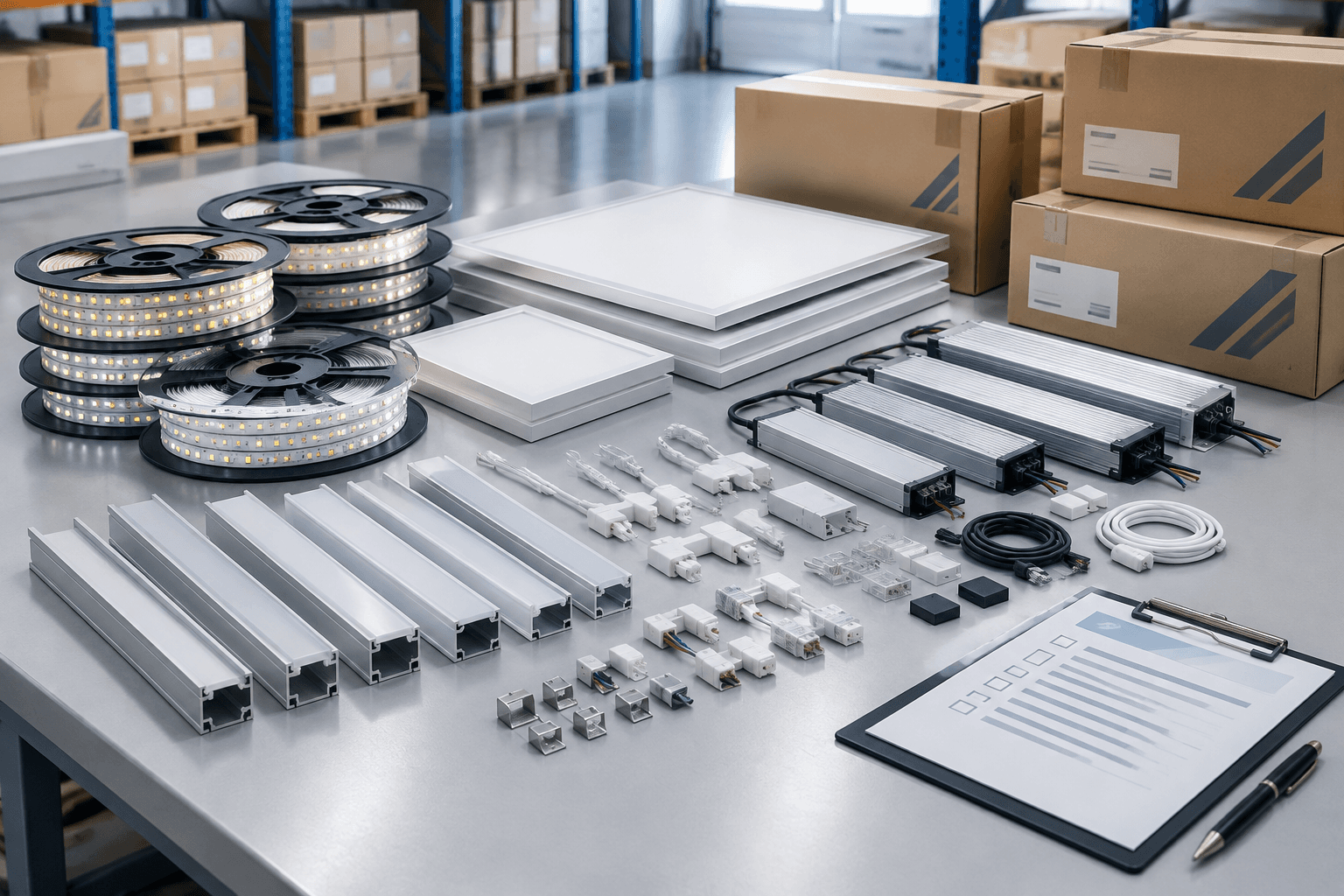
Use an LED lighting packing list to reconcile cartons, reels, modules, drivers, profiles, labels, quantity units and open shipment lines before receiving.
Product knowledge
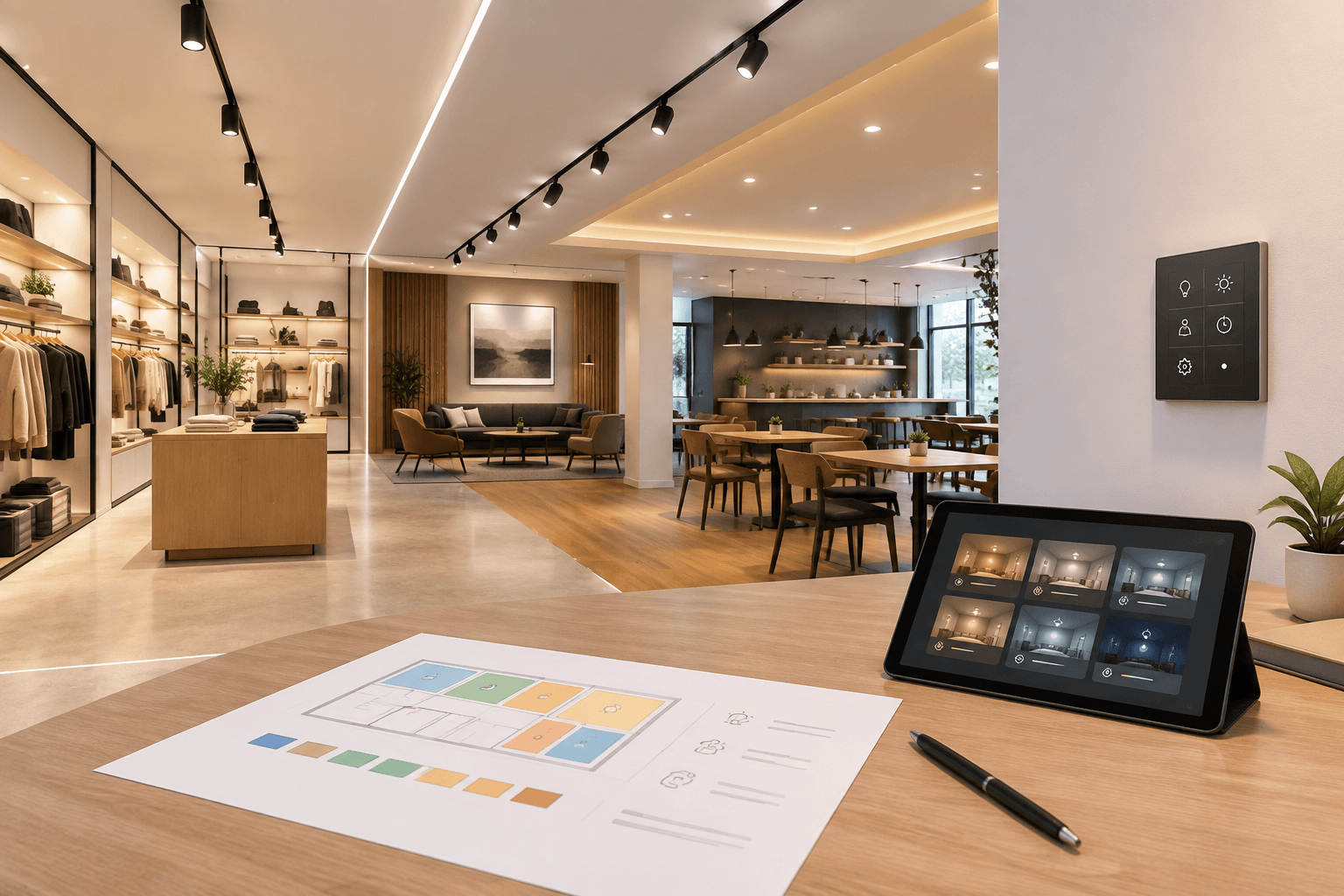
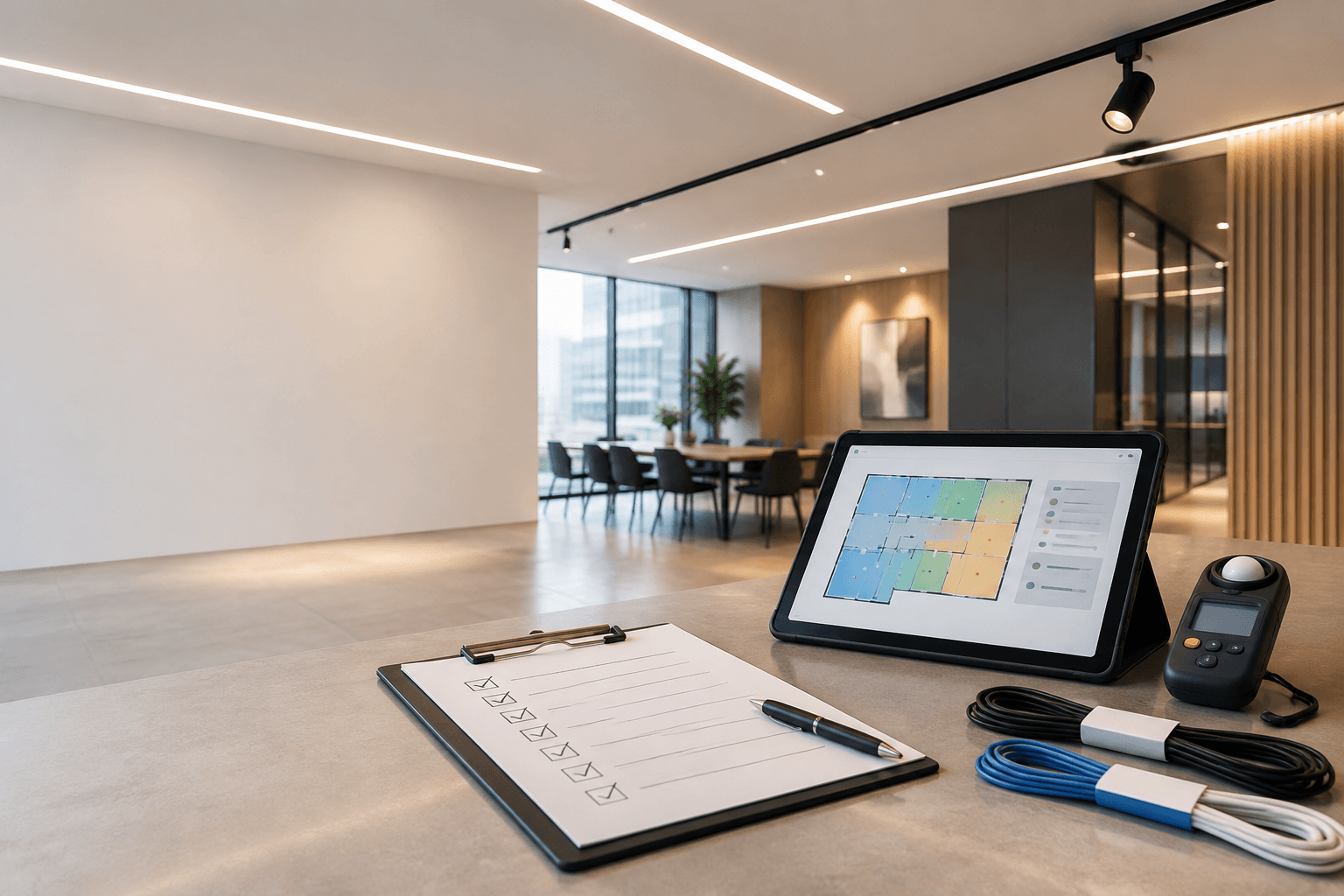
Define lighting zones, scenes, sensors, overrides, recovery behavior and acceptance records before programming a commercial LED lighting system.
Product knowledge
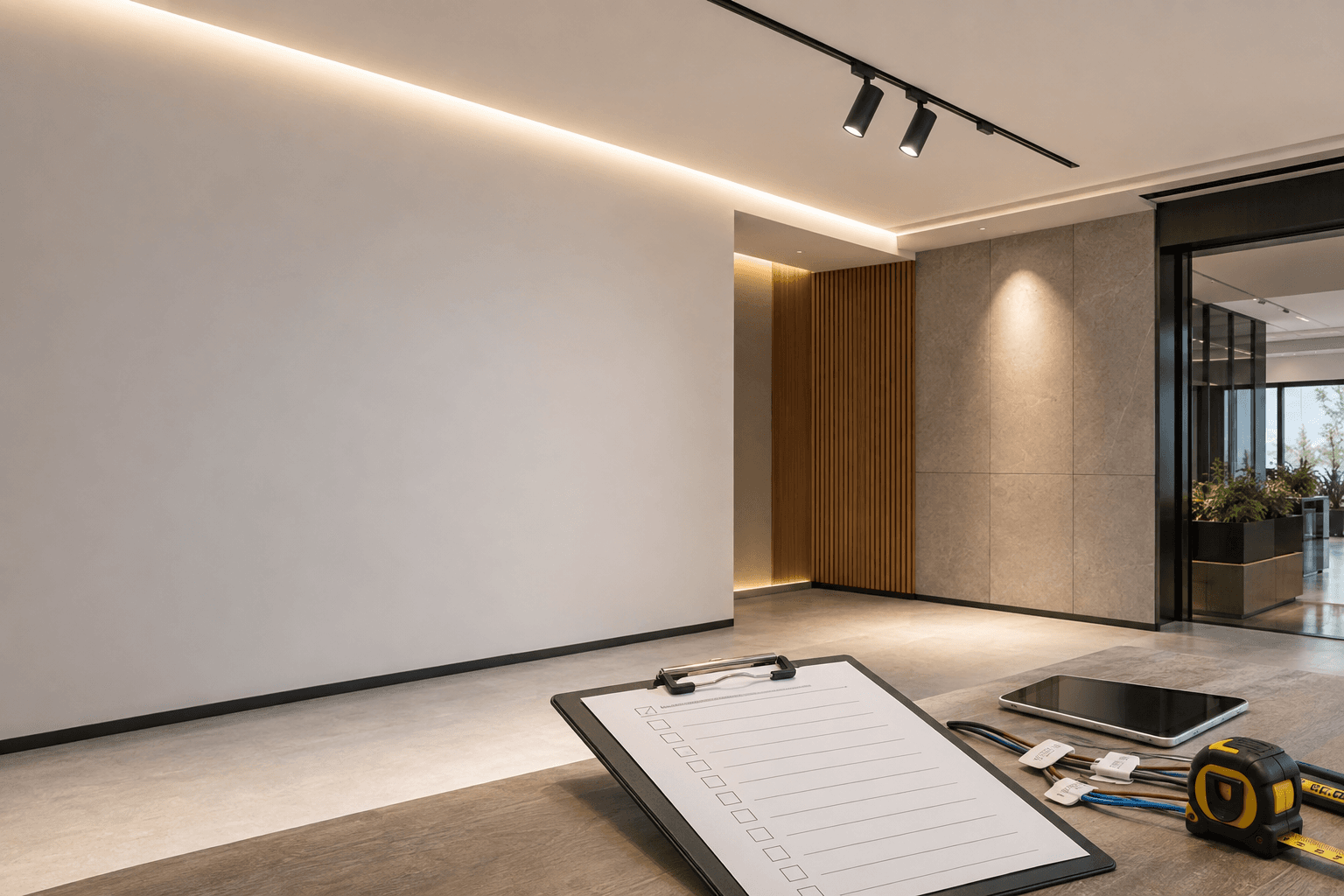
Use a controlled commissioning checklist to verify commercial LED lighting zones, controls, operating states, records and unresolved actions before handover.
Product knowledge
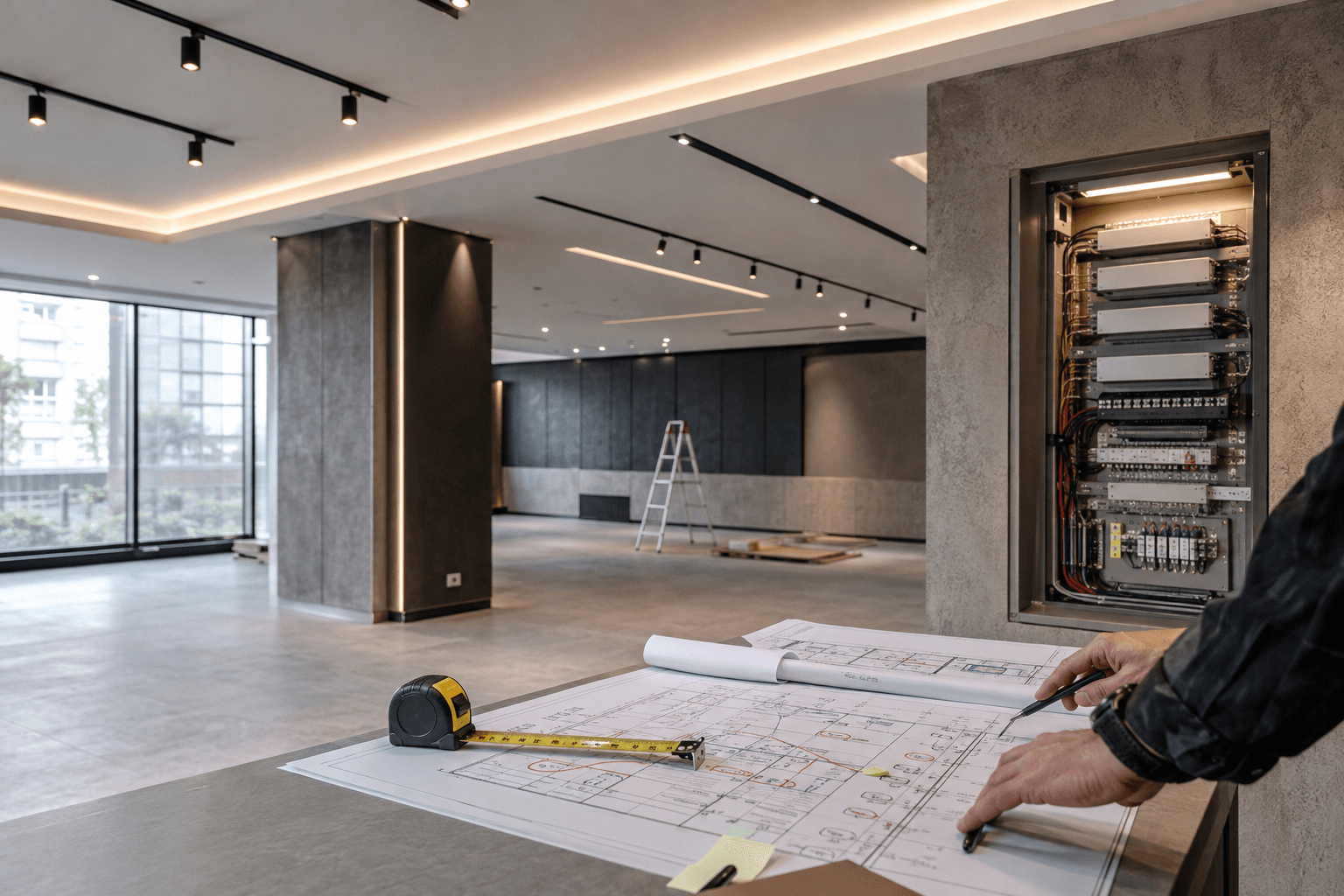
Record the installed lighting system, controls, documents, open items and replacement path before a commercial LED project is handed over.
Product knowledge
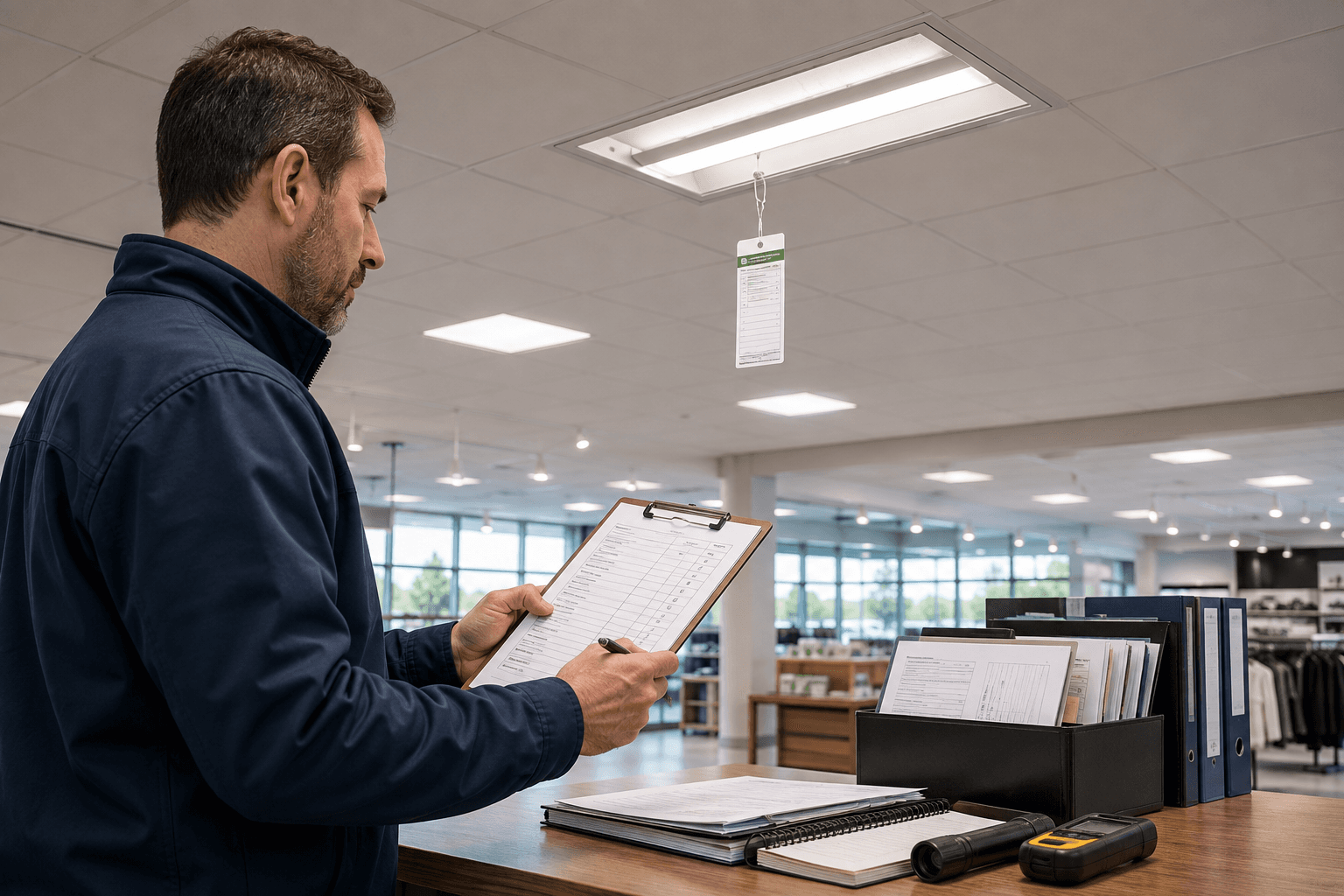
Capture application, dimensions, power, controls, access, environment and documentation before requesting a commercial LED lighting quotation.
Product knowledge
Build a commercial LED lighting maintenance plan from the installed system, service access, records, safety boundaries and replacement path before handover.
Product knowledge
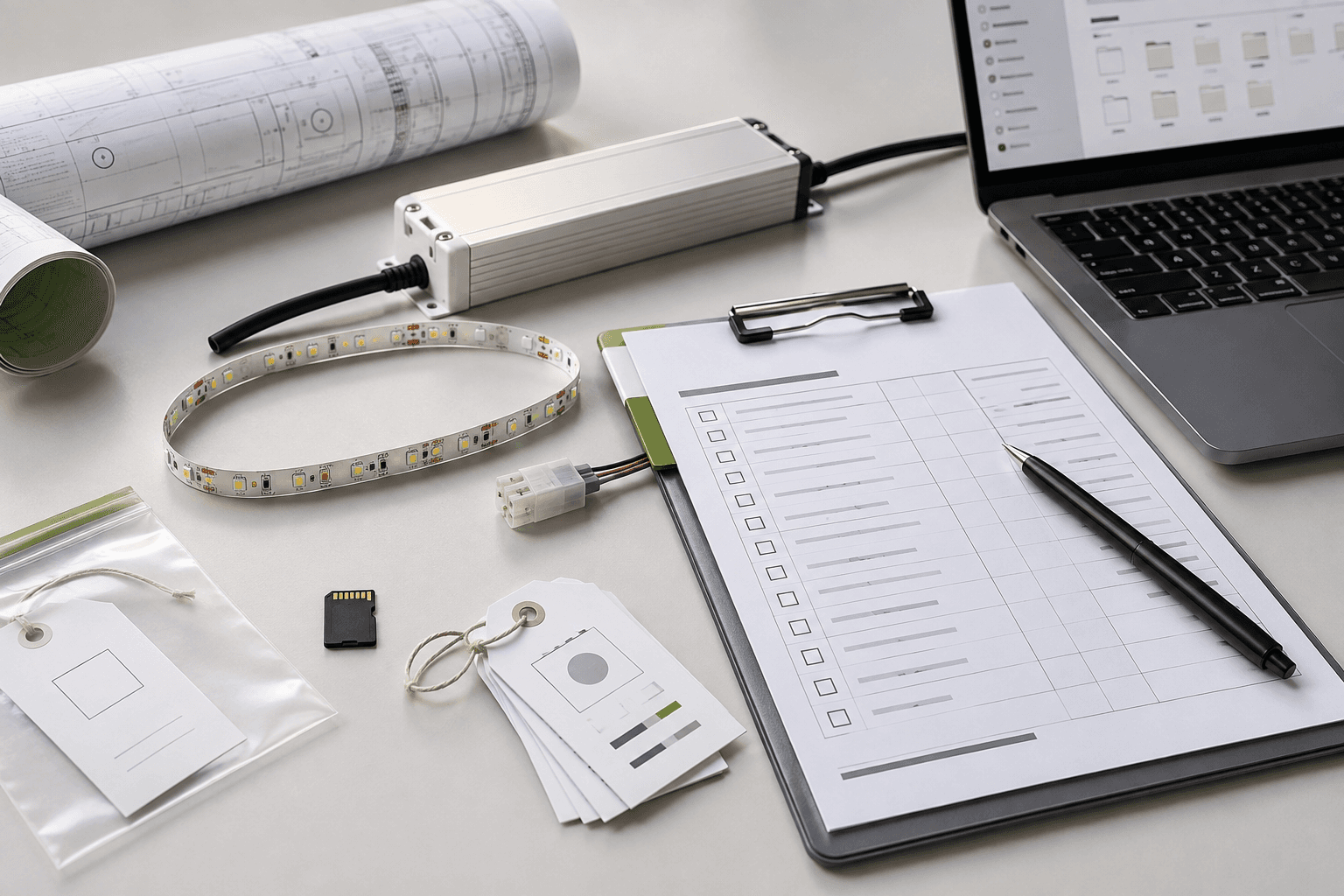
Prepare an LED lighting warranty claim with product traceability, symptom records, system details, safety boundaries and supplier review steps.
Product knowledge
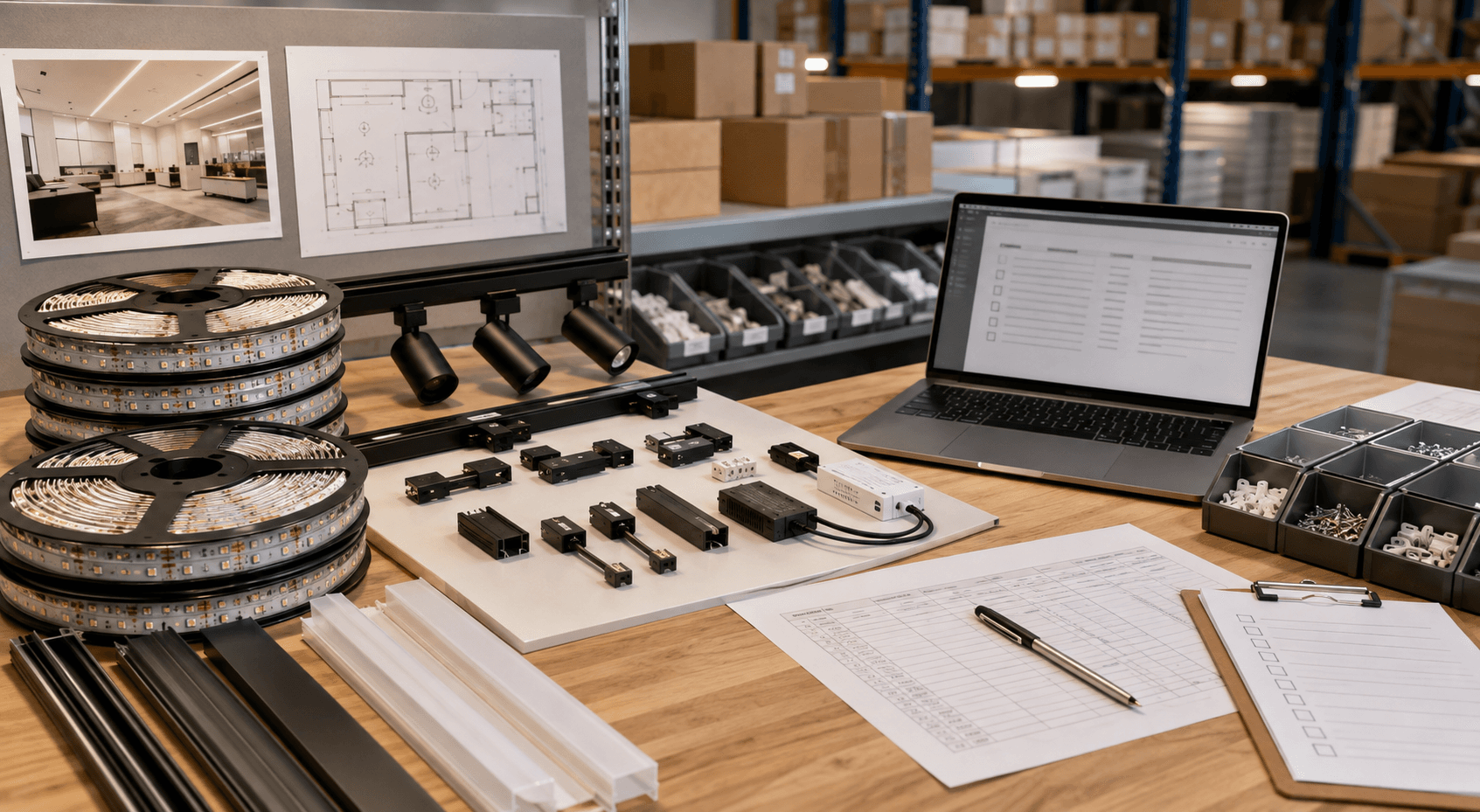
Build an LED lighting spare-parts list with exact models, interfaces, labels, storage, replacement steps and buyer checks before ordering.
Product knowledge
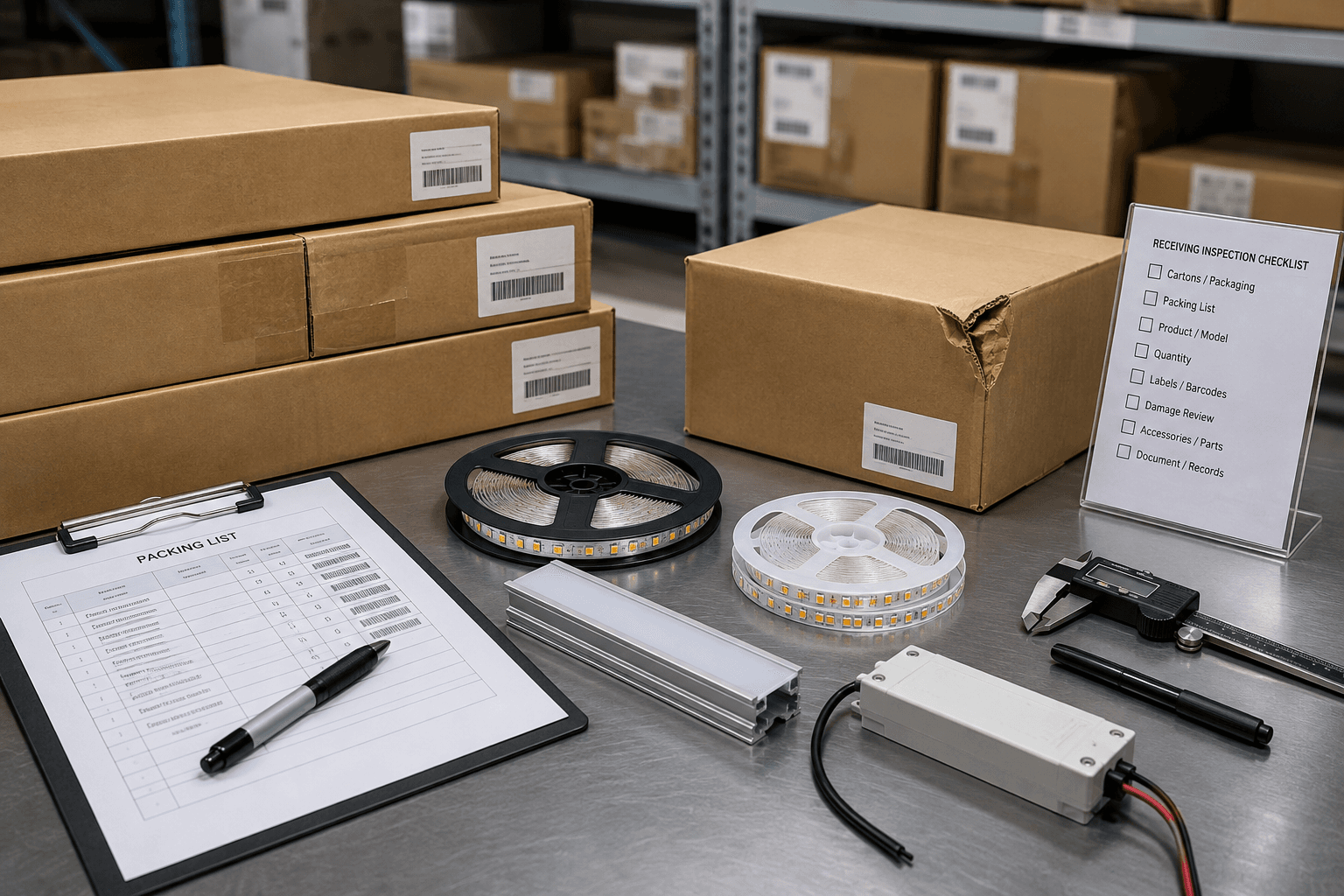
Inspect LED lighting deliveries against carton condition, labels, quantities, approved models, documents, sample checks and a controlled receiving disposition.
Product knowledge
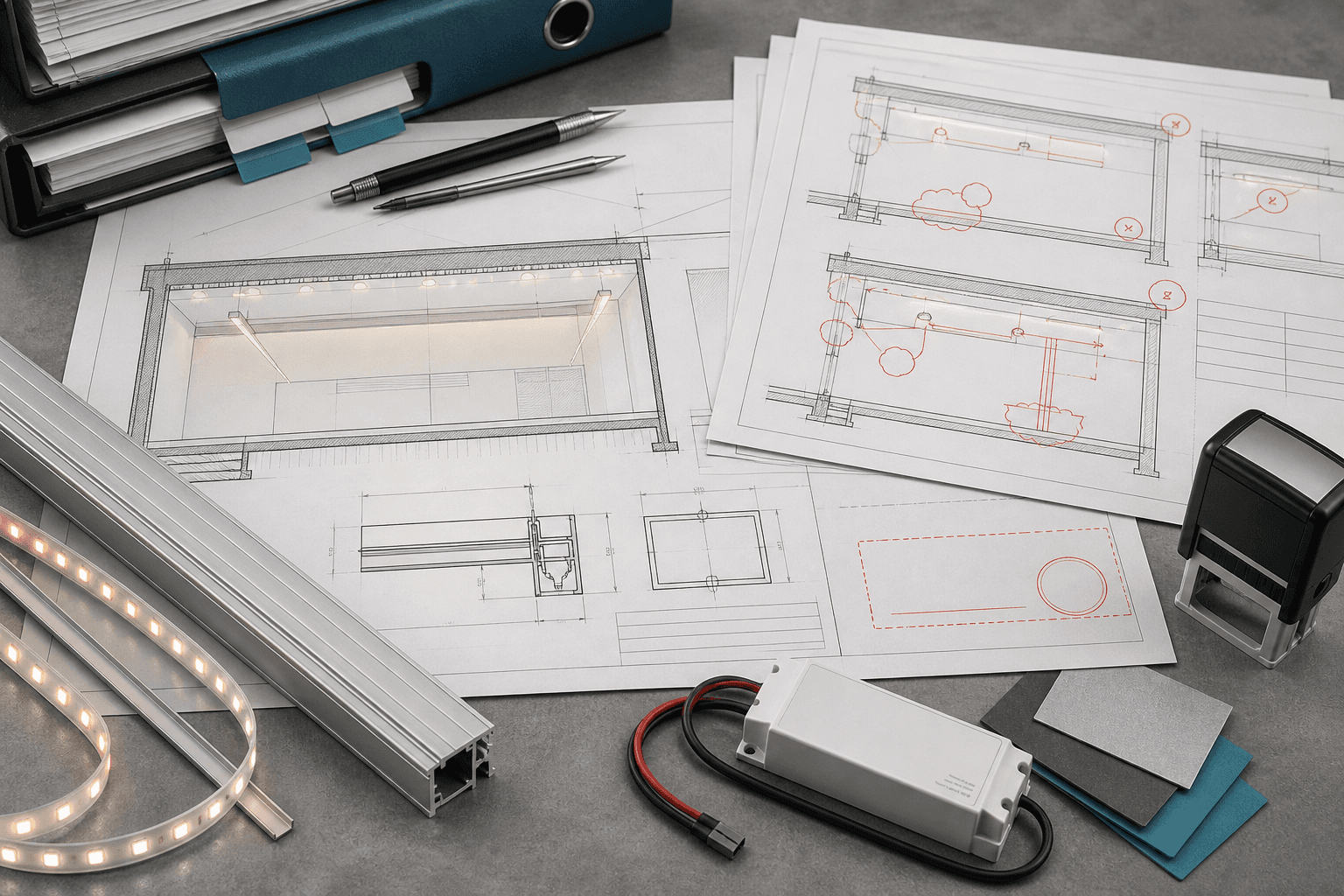
Control LED lighting variations by comparing the approved baseline with the proposed model, interfaces, evidence, commercial impact and released revision.
Product knowledge
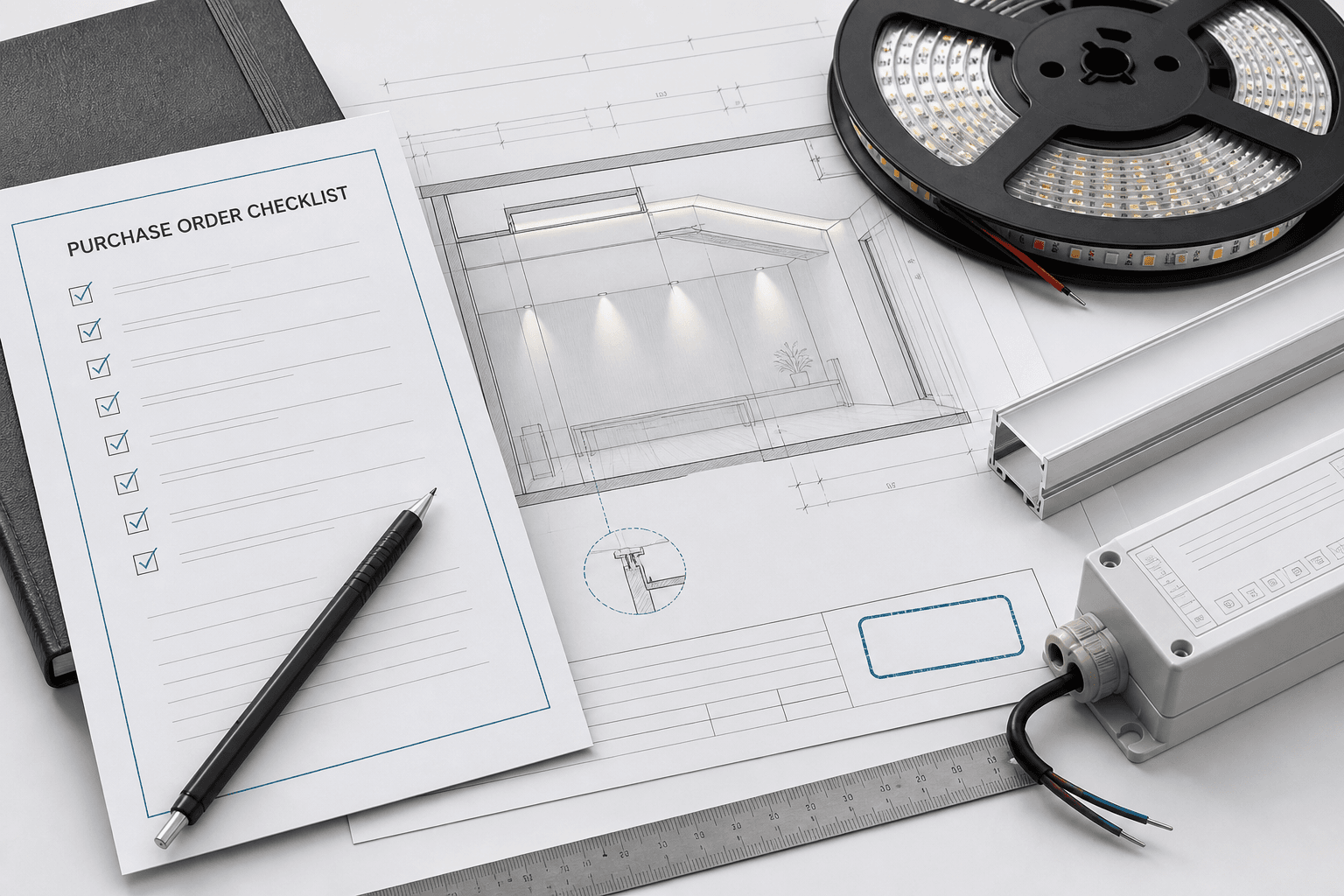
Freeze the exact LED lighting identity, configuration, quantity, interfaces, documents, packaging and substitution rules before releasing production.
Product knowledge
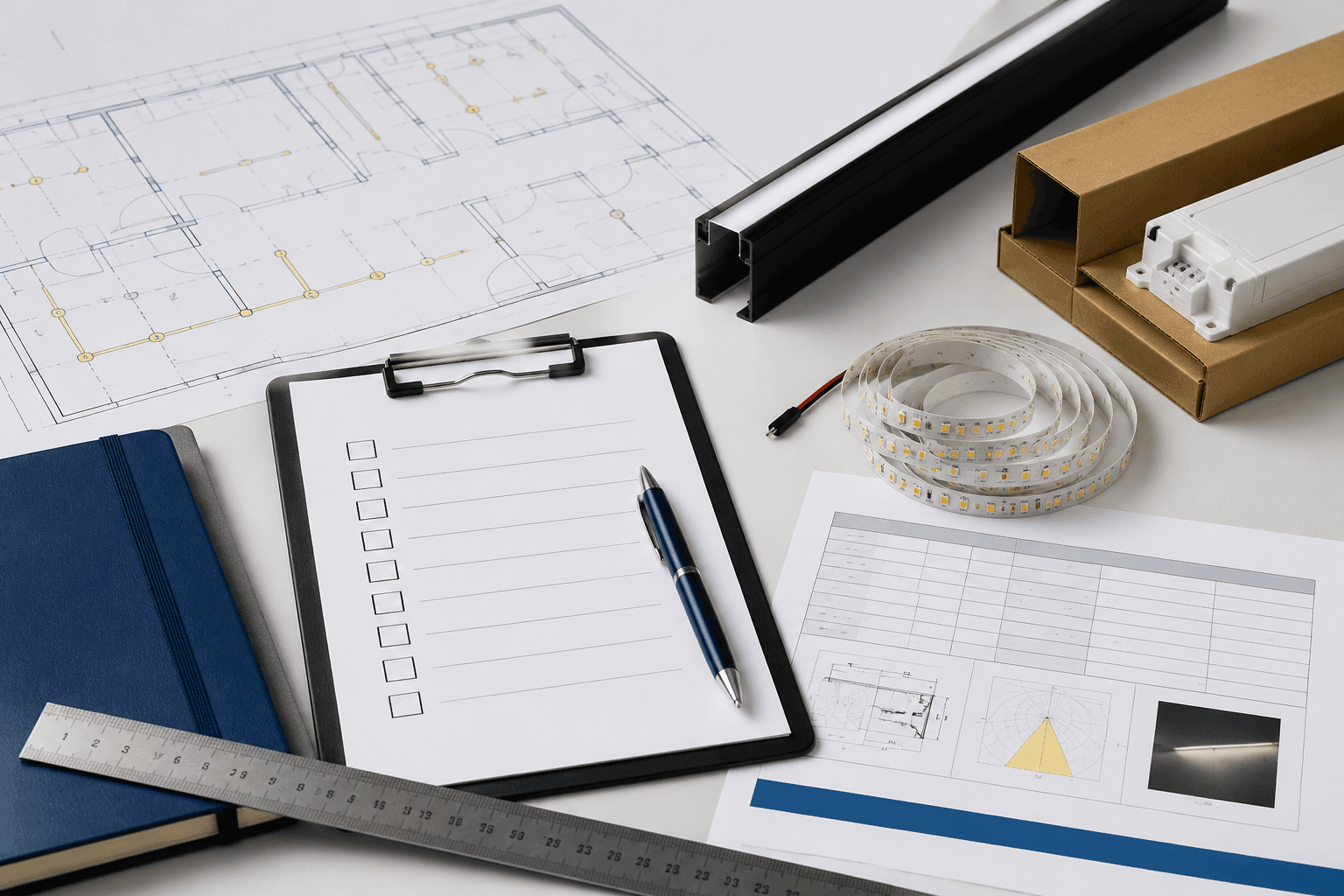
Prepare a comparable LED lighting request for quotation with application, configuration, electrical, layout, market and approval information clearly separated.
Product knowledge
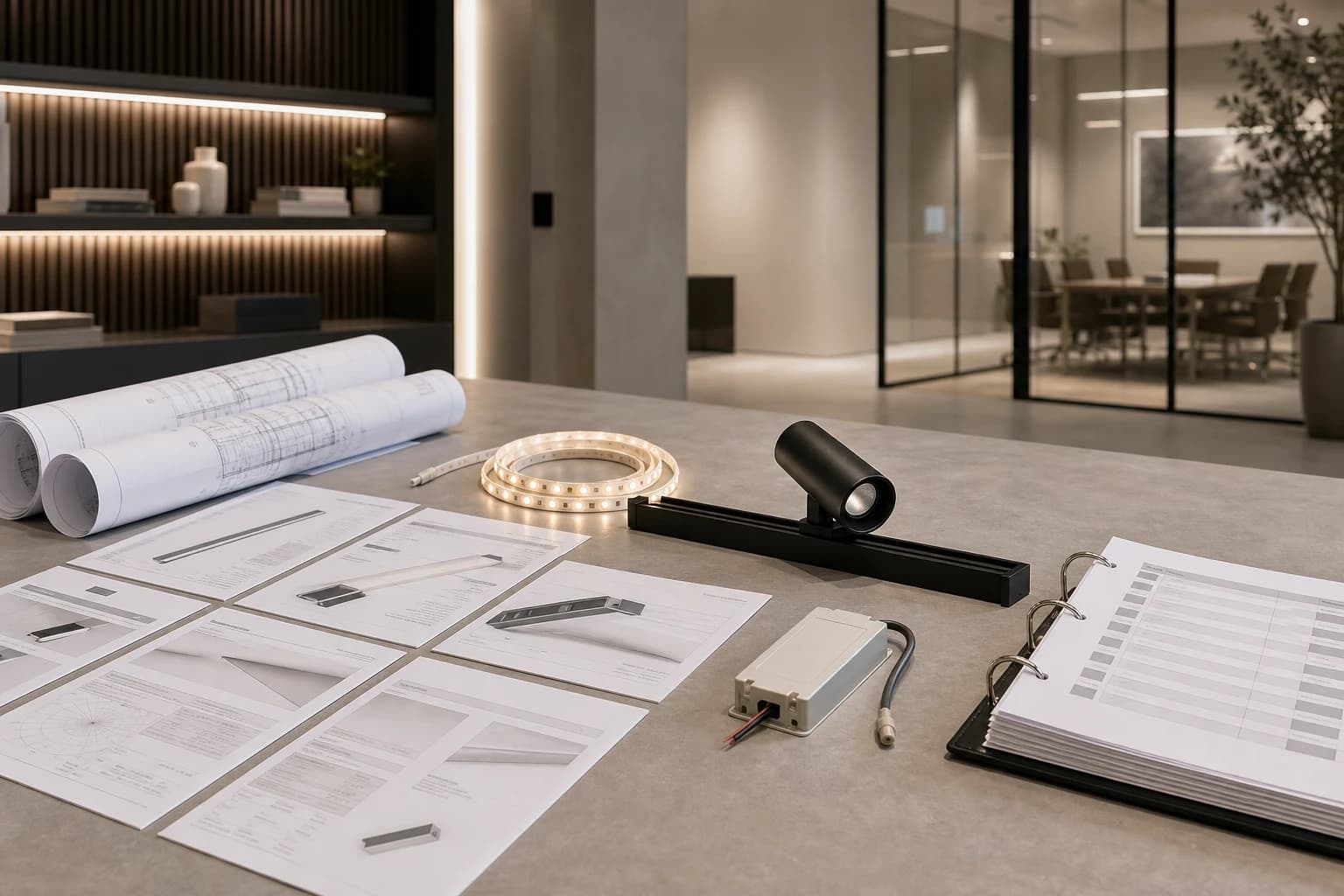
Build an approval-ready LED lighting submittal package with model identity, technical data, drawings, controls, installation boundaries, certification scope and traceable revision records.
Product knowledge
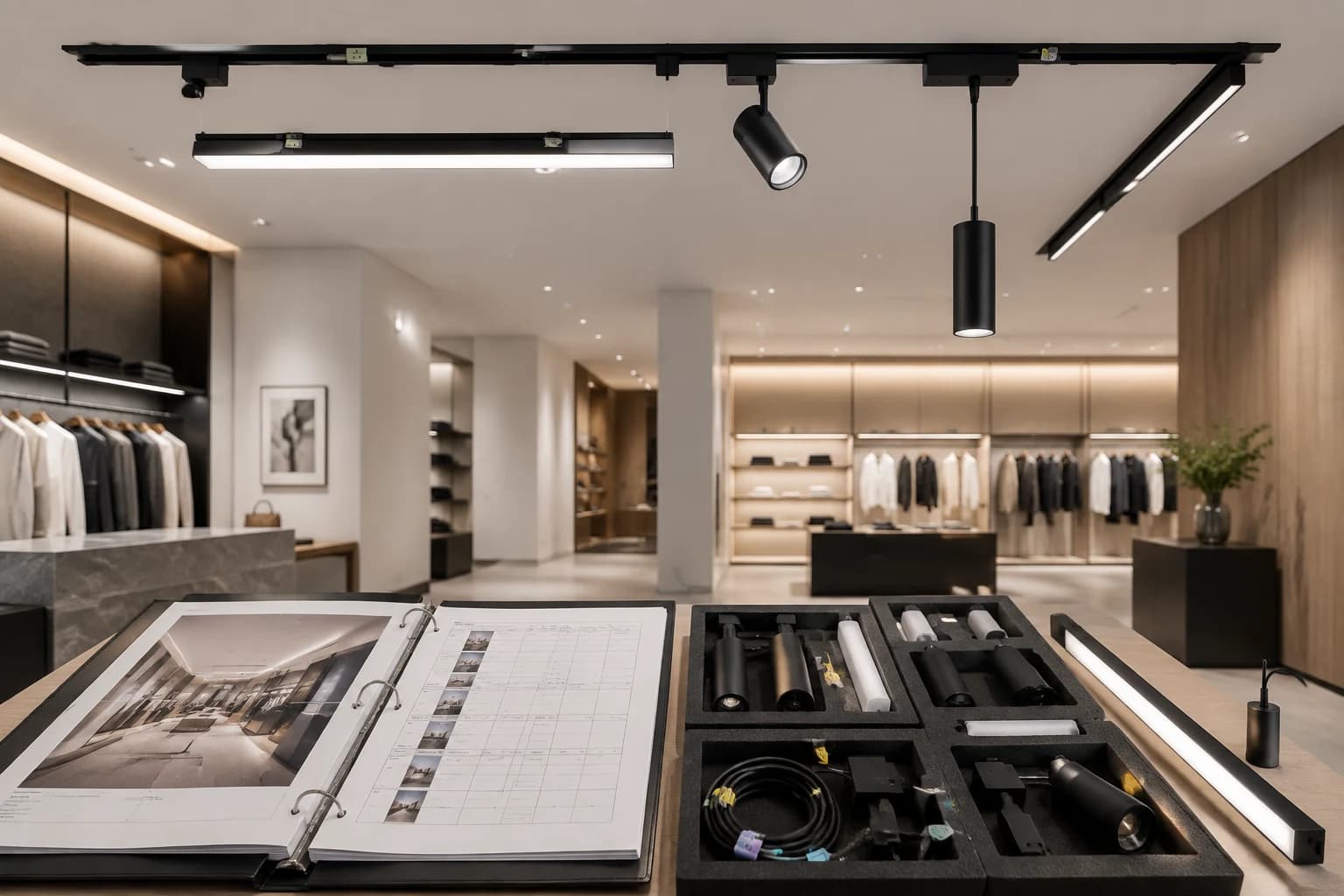
Hand over a magnetic track lighting system with an as-installed track plan, circuit and feed records, exact module schedule, control settings, spare-parts list and named maintenance responsibilities.

Product knowledge
Reduce LED strip thermal risk by specifying the mounting surface, aluminium profile, electrical load, ambient limits and inspection responsibilities before ordering.
Product knowledge
Choose RGB, RGBW or tunable-white LED strip by defining the required colour functions, then matching the exact strip, voltage, channel order, controller, driver, wiring and sample conditions.
Product knowledge
Compare LED strip lumens per metre by aligning model, test basis, CCT, CRI, power, profile, diffuser and operating condition before ordering.
Product knowledge
Use LED strip watts per metre as a controlled electrical input for quotation, branch load, driver, cable, voltage-drop and thermal review rather than treating a higher W/m label as a universal brightness or quality ranking.
Product knowledge
Choose 5 mm, 8 mm or 10 mm LED strip PCB width by checking the complete assembly: profile clearance, connector geometry, component and row layout, bend path, power specification, termination and an approved sample.
Product knowledge
Choose LED strip reel length by segment schedule, electrical feed limits, cut rules, joints, handling, packaging, traceability and spare allocation instead of treating reel length as usable continuous-run length.

Industry insights
Compare LED lighting quotations on one controlled specification covering exact products, system accessories, samples, documents, packaging, delivery assumptions, exclusions and revisions before comparing price.

Product knowledge
Replace an LED driver by checking output method, voltage, load, dimming, wiring, enclosure, thermal conditions, access and product-specific documentation instead of matching wattage alone.

Product knowledge
Track lights or downlights for retail and hospitality? Compare flexibility, ceiling type, glare, controls, and cost to choose the right commercial lighting.
Product knowledge
Maintain commercial LED strip installations with an asset register, defined inspection and cleaning boundaries, documented fault escalation, traceable spares and controlled replacement approval.
Product knowledge
Control LED strip color consistency by defining the approved model and color specification, retaining a reference sample, checking production batches under repeatable conditions and recording every substitution or reorder.

Product knowledge
Choose recessed, surface-mounted or suspended magnetic track lighting by coordinating the ceiling, supports, power feeds, joints, finished appearance and maintenance access before ordering.
Product knowledge
Choose the right LED driver IP rating for your installation. Compare IP20, IP65, IP67 drivers by location, water exposure, enclosure, and maintenance needs.
Product knowledge
Plan LED strip mounting by checking the substrate, surface preparation, heat path, environment, profile or clips and service access instead of treating adhesive backing as a complete installation system.
Product knowledge
Replace commercial spotlights by documenting the existing ceiling opening, mounting, driver, controls, optics, colour and project boundaries before approving a sample or bulk order.
Product knowledge
Decode any LED driver label: identify model, input, output mode, load range, dimming type, IP rating, and certifications with this checklist before ordering.
Product knowledge
Compare soldered vs solderless LED strip connectors: pros, cons, installation time, and which is best for commercial projects. Free checklist inside.

Product knowledge
Verify magnetic track replacement and add-on modules by system label, mechanical interface, voltage, driver, control, optics and sample evidence before ordering.

Product knowledge
Top-bend or side-bend LED neon flex? Learn which direction fits your layout, bend radius, cut length, and mounting requirements for clean commercial installs.
Product knowledge
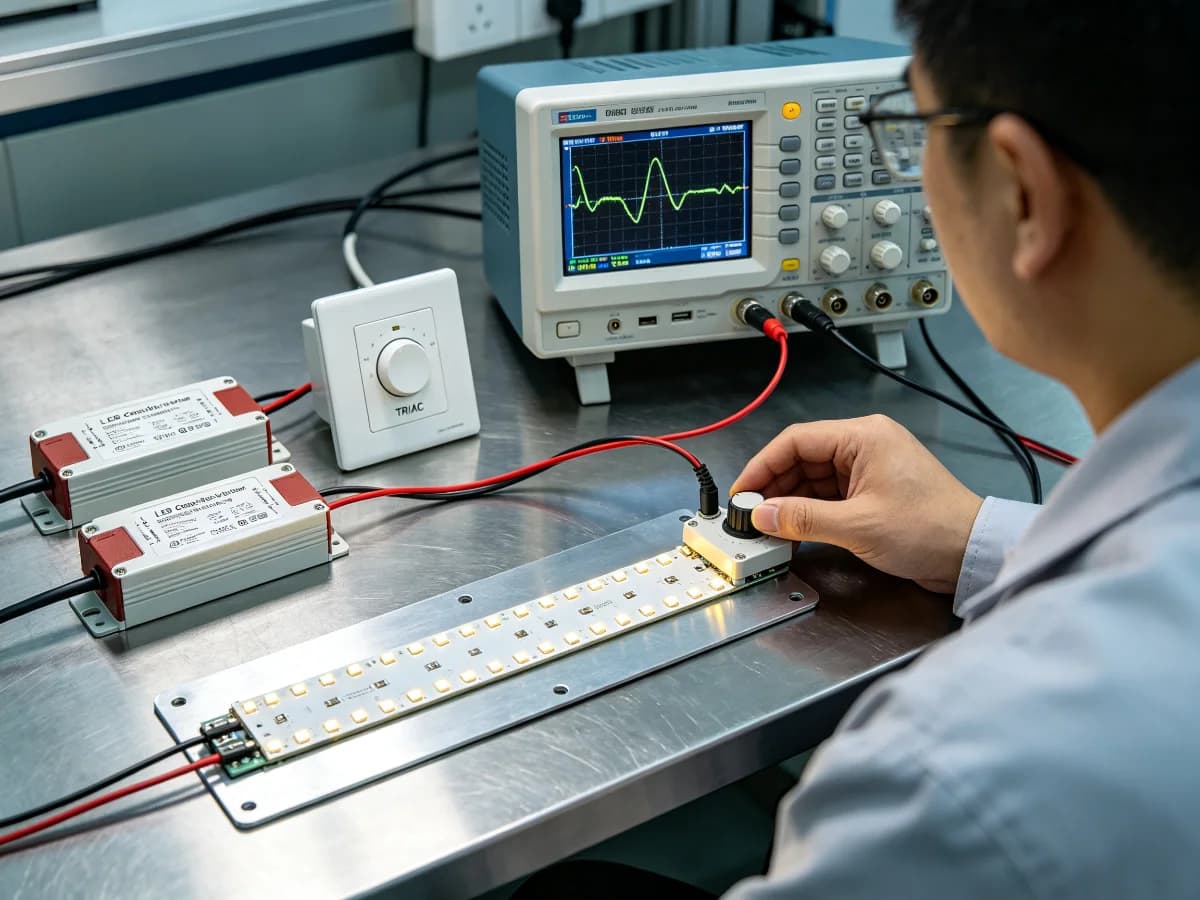
Match LED strips, drivers, dimmers and controls by voltage, load, protocol, low-end behaviour, scenes and exact model evidence before approving a commercial lighting system.
Product knowledge
Control commercial spotlight glare by reviewing sight lines, aiming, shielding, reflections, contrast, dimming and commissioning before approving retail, hospitality or gallery lighting.
Product knowledge
Plan magnetic track lighting loads correctly. Calculate module wattage, driver/feed limits, circuit zones, and spare capacity before quoting or installation.
Product knowledge
Compare recessed, surface-mount and corner LED strip profiles by joinery detail, diffuser position, glare control, cable routing and maintenance for commercial projects.

Product knowledge
Compare 2700K, 3000K and 4000K LED strip lighting by visual character, application, surrounding finishes, zoning and sample approval for retail, hospitality and joinery projects.
Product knowledge
Compare any-cut and fixed-cut LED strips by cut interval, fit, material waste, termination work and sample approval for cabinets, signage and custom joinery.

Product knowledge
How many LEDs per metre do you need? Compare 120, 240 and 288 LED/m strips by brightness, dot-free effect, power, and cost for commercial projects.

Product knowledge
IP20, IP65, IP67 and IP68 are not a simple good-better-best ladder. Choose an LED strip IP rating from the actual dust and water exposure, then verify the complete installed system, including cuts, connectors, cable entries, drivers and drainage.

Product knowledge
For most commercial LED strip projects, Ra 80, 90 and 95+ are specification starting points rather than a universal ranking. Choose the range from the visual task, then confirm CCT, supporting color data and a representative sample before production.

FAQs
LED strip flickering can come from the power supply, dimmer or controller compatibility, loose connections, voltage instability, excessive load, thermal protection or damaged strip sections. Use this commercial checklist to describe the symptom and prepare useful evidence for a qualified electrician or lighting supplier.

Product knowledge
The right magnetic track lighting beam angle depends on the target, mounting distance, desired contrast and beam overlap. Use this guide to compare optics, estimate coverage and prepare a retail or hospitality layout for supplier review.
Product knowledge
LED strip voltage drop depends on the complete circuit, including strip load, run length, external wiring, connectors and power-feed position. Use this guide to compare layouts and verify long-run claims before ordering.
Industry insights
Lumseq is the export-facing brand of Guangdong Xingwang Lighting Technology Co., Ltd. for distributors, importers, contractors and OEM/private-label buyers. This factory due diligence checklist shows how to verify the legal entity, production evidence, product-specific documents and repeat-order controls before sampling or ordering.
Industry insights
Lumseq helps overseas distributors, importers, contractors and private-label buyers evaluate LED strip OEM/ODM options by controlling the specification, sample, packaging, documents and repeat-order reference. This checklist separates what to define before quotation from what must be confirmed for the exact model and market.

Product knowledge
How importers and contractors can compare 220V and 24V LED strip systems by run length, installation environment, control and maintenance.
FAQs
Size an LED strip power supply from exact voltage, W/m and connected length, then verify reserve, controls, wiring, enclosure and model-specific limits.

Industry insights
What distributors should define when creating private-label packaging for LED strips, drivers and commercial lighting products.

Product knowledge
Build a magnetic track order from a marked layout: count straight, angle and T junctions, map candidate 30 Series parts, then verify the complete system.

Industry insights
A practical pre-shipment inspection checklist for LED lighting importers covering product identity, electrical specifications, appearance, packaging, quantities and destination-market documents.
Product knowledge
Plan LED strip feed points from the exact model, branch length, watts per metre, driver location, cable route and acceptance condition instead of treating one reel as one powered run.
Product knowledge
Choosing the right LED strip manufacturer is more than comparing unit price. Use this 12-point checklist to evaluate factory capability, quality systems, OEM/ODM capacity, certification scope, supply reliability and after-sales support before committing to a long-term partnership.
Product knowledge
Approve an LED strip sample for a repeatable commercial order by checking the exact model, optical assembly, electrical load, installation detail, documents and acceptance record before releasing quantity.
Product selection support
Send the application, voltage, target quantity and destination market. Our team will recommend a practical product and sampling path.